


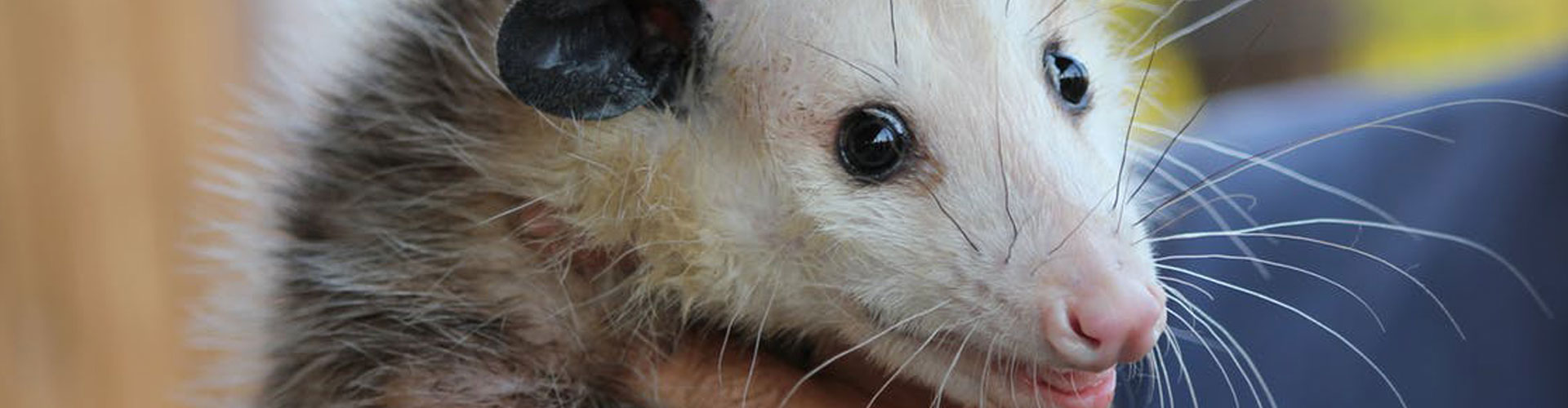
What Scratching, Chirping, and Thumping Sounds in the Attic May Mean
You’re lying in bed when you hear it: scratching somewhere above the ceiling. The next morning, everything is quiet. A few days later, there’s a thump followed by what sounds like something moving through the insulation.
Sounds coming from the attic can be one of the first signs that wildlife has found its way into your home. But identifying the animal based on noise alone isn't always easy.
Squirrels, bats, birds, mice, raccoons, and other wildlife can all create distinctive sounds. Paying attention to what you hear, when you hear it, and where the activity seems to be concentrated can provide valuable clues about what may be happening overhead.
Why Attic Noises Can Be Difficult to Identify
Sound travels surprisingly well through a home.
Roof framing, ceiling joists, ductwork, drywall, and other building materials can carry or amplify noises. A mouse moving directly above a bedroom may sound much larger than expected, while an animal on one side of the attic can sometimes sound like it's directly overhead.
That's why the sound itself is only one piece of the puzzle.
When investigating possible wildlife activity, it helps to consider three things together:
- What does the noise sound like?
- What time of day does it usually occur?
- Where in the attic or home does it seem to originate?
Those details, combined with physical evidence such as droppings, nesting material, chew marks, damaged vents, or visible entry points, can provide a much clearer picture.
Scratching and Scurrying
Scratching is probably the attic noise homeowners report most frequently.
Unfortunately, it's also one of the broadest. Several animals scratch, climb, dig through insulation, or move across attic surfaces.
The intensity and timing of the noise can help narrow down the possibilities.
Light, Fast Scratching
Rapid, relatively quiet scratching or scurrying may indicate mice or other small rodents.
Mice can travel through remarkably confined areas, which means you may hear activity in more than just the attic. Sounds may seem to move into walls, ceilings, or other concealed spaces as rodents travel through the structure.
Other signs can include droppings, gnaw marks, shredded nesting material, or evidence of activity elsewhere in the home.
Louder Scratching and Running
If the sounds are more substantial and occur primarily during daylight hours, squirrels may be responsible.
Squirrels commonly enter attics through damaged roof vents, loose soffits, fascia gaps, roof returns, and other vulnerable sections of the roofline.
Once inside, they may run across framing, dig through insulation, build nests, or chew on materials. That combination can produce scratching, rustling, running, and gnawing noises.
Because squirrels are active during the day, homeowners may notice increased activity during the morning or throughout daylight hours.
Chirping, Squeaking, and Chattering
High-pitched sounds can point toward an entirely different group of attic visitors.
Birds
Chirping during the daytime may indicate birds have established a nest somewhere in or around the structure.
Depending on the home, birds can find their way into attic spaces, soffits, exterior vents, bathroom exhausts, and other protected openings.
If young birds are present, chirping may become frequent as they call from the nest. You may also notice adult birds repeatedly flying toward the same vent or section of the roof.
Bats
Bats can make squeaking, chattering, and rustling sounds, although homeowners don't always hear them.
A bat colony can remain relatively quiet inside an attic, particularly when the roost is located away from living areas. When sounds are noticeable, they may become more apparent around dusk or dawn as bats move toward or away from their exit points.
Other possible signs of bat activity include guano accumulation, staining around frequently used openings, or bats repeatedly appearing from the same area of the roofline around dusk.
Because bats can use very small gaps to access a structure, identifying the actual entry points can require a detailed exterior inspection.
Heavy Thumps or Footsteps
When attic noises sound heavier, homeowners often describe them as footsteps, bumps, or thumps.
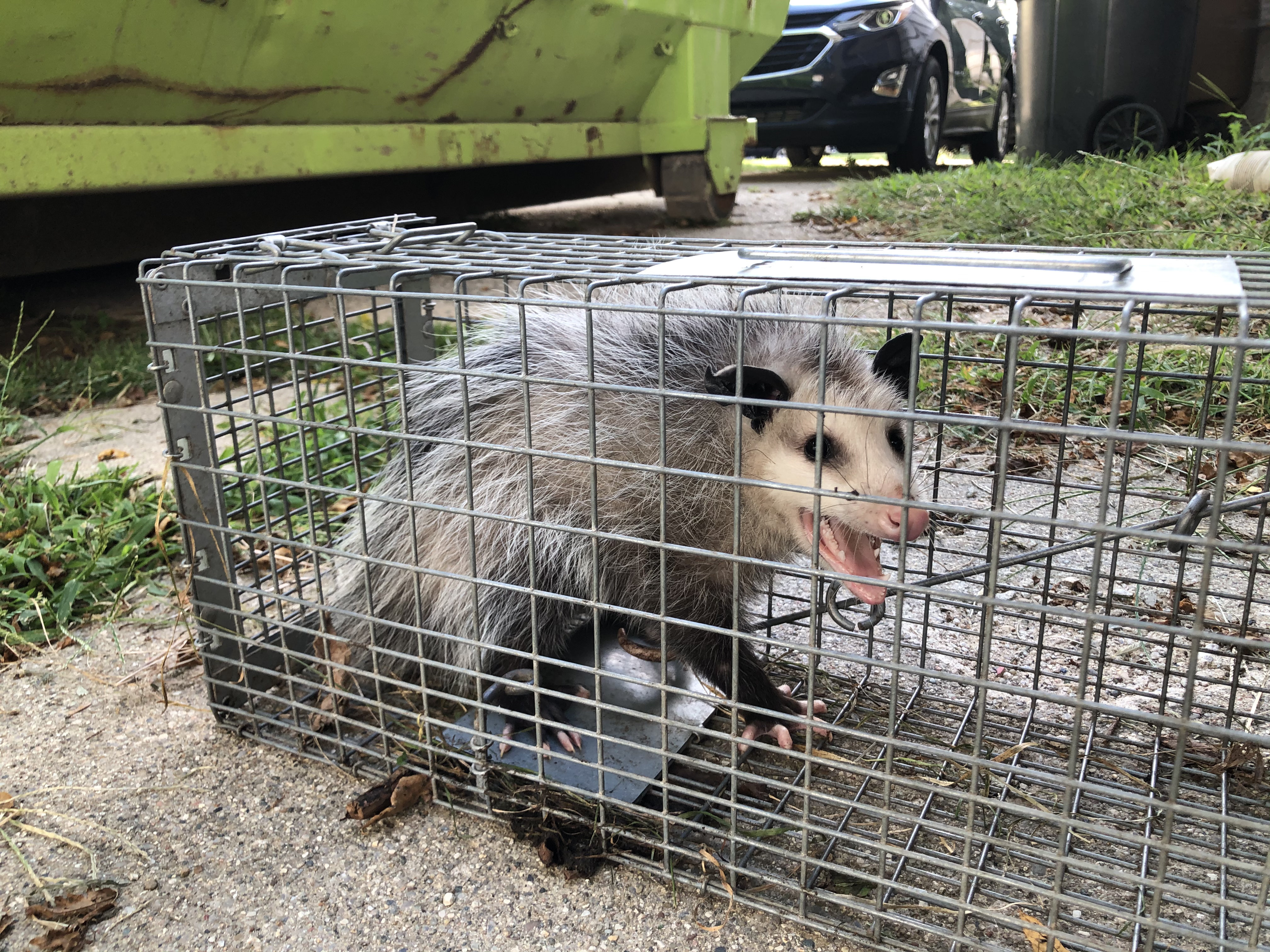
A larger animal such as a raccoon may be responsible.
Raccoons are considerably heavier than squirrels or rodents, so movement across attic framing can create much more noticeable sounds. They may also move insulation or nesting materials, adding scraping and rustling noises.
Since raccoons are generally more active after dark, repeated heavy movement during the evening or overnight can provide an additional clue.
However, don't assume that every loud sound means there's a large animal in the attic. The acoustics of a house can make smaller wildlife sound surprisingly substantial.
Gnawing and Chewing
Chewing sounds are particularly worth paying attention to because both squirrels and rodents gnaw frequently.
Inside an attic, they may chew:
- Wood
- Plastic
- Stored belongings
- Vent components
- Insulation
- Electrical wiring
You may hear a repetitive scraping or grinding sound coming from one particular area.
Even if the animal itself isn't causing much disruption, chewing can create damage that becomes increasingly expensive to repair. Electrical wiring is a particular concern because damage may remain hidden until the affected area is inspected.
Fluttering and Flapping
Fluttering or flapping can suggest that a bird or bat has entered an attic, chimney, vent, or another confined space.
Where the sound occurs can provide useful context.
Flapping near a bathroom or kitchen exhaust, for example, may indicate an animal has entered the ventilation system. Activity closer to the roofline or attic may suggest access through a roof vent, gable vent, soffit, or another exterior opening.
If you believe an animal is trapped, avoid reaching into the space or attempting to handle it directly.
Rustling in the Insulation
Sometimes there isn't a clearly identifiable scratch or thump. Instead, homeowners hear something moving through the insulation.
Several species can create this sound.
Squirrels may disturb insulation while traveling or constructing nests. Rodents may tunnel through loose insulation or collect materials for nesting. Larger wildlife can compress or move insulation while establishing a den.
The timing of the rustling can help provide context, but an inspection is generally needed to determine the actual source.
The Time of Day Can Be an Important Clue
One of the easiest details to track is when the sounds occur.
Morning and Daytime
Squirrels and many birds are active during daylight hours.
If you consistently hear running, scratching, or chewing shortly after sunrise or throughout the day, squirrels are one possibility.
Frequent daytime chirping may point toward nesting birds.
Around Dusk
Bats typically become active as daylight fades.
You may hear subtle movement as bats prepare to leave the roost, although watching the exterior of the home around dusk can sometimes provide a much clearer indication of where activity is occurring.
Nighttime
Mice, rats, and raccoons are generally more active after dark.
Light scratching or scurrying in walls and ceilings may indicate rodents, while heavier footsteps and thumping may suggest larger wildlife.
Timing is useful, but it shouldn't be treated as definitive identification. Animals can move outside their typical activity periods, particularly if they've been disturbed.
Pay Attention to Where You Hear the Noise
The location of the sound may provide clues about the animal's travel route or entry point.
For example, repeated activity near the edge of the roof could correspond with a damaged soffit or fascia area. Sounds concentrated around a vent may suggest an opening there. Activity that seems to move between the attic and walls could indicate rodents traveling through concealed structural spaces.
You don't need to climb onto your roof to investigate.
Simply making note of where the noise seems loudest can provide useful information during a professional inspection.
What If the Sounds Suddenly Stop?
Silence doesn't necessarily mean the problem has resolved itself.
Many animals regularly leave the structure to search for food and return later. Wildlife activity can also vary with weather, temperature, breeding cycles, and other factors.
Animals may also become less noticeable once they've established a nesting location.
If you've repeatedly heard unexplained attic activity, it's worth investigating even if the noises temporarily disappear.
Look for Other Signs of Wildlife Activity
Sounds become much more useful when they're considered alongside other evidence.
Depending on the species, you may notice:
- Droppings
- Urine staining
- Nesting material
- Damaged or displaced insulation
- Chewed wood or wiring
- Damaged roof or gable vents
- Loose soffits
- Unusual odors
- Exterior staining around an opening
- Wildlife repeatedly approaching the same area of the roof
A professional inspection uses these signs together rather than relying on sound alone.
Why You Shouldn't Immediately Seal the Opening
Finding a damaged vent or obvious hole can make the solution seem simple: close it.
But if an animal is still inside, sealing the opening can make the situation worse.
Trapped wildlife may attempt to chew or force its way through another section of the structure. There may also be young animals inside that aren't capable of leaving on their own.
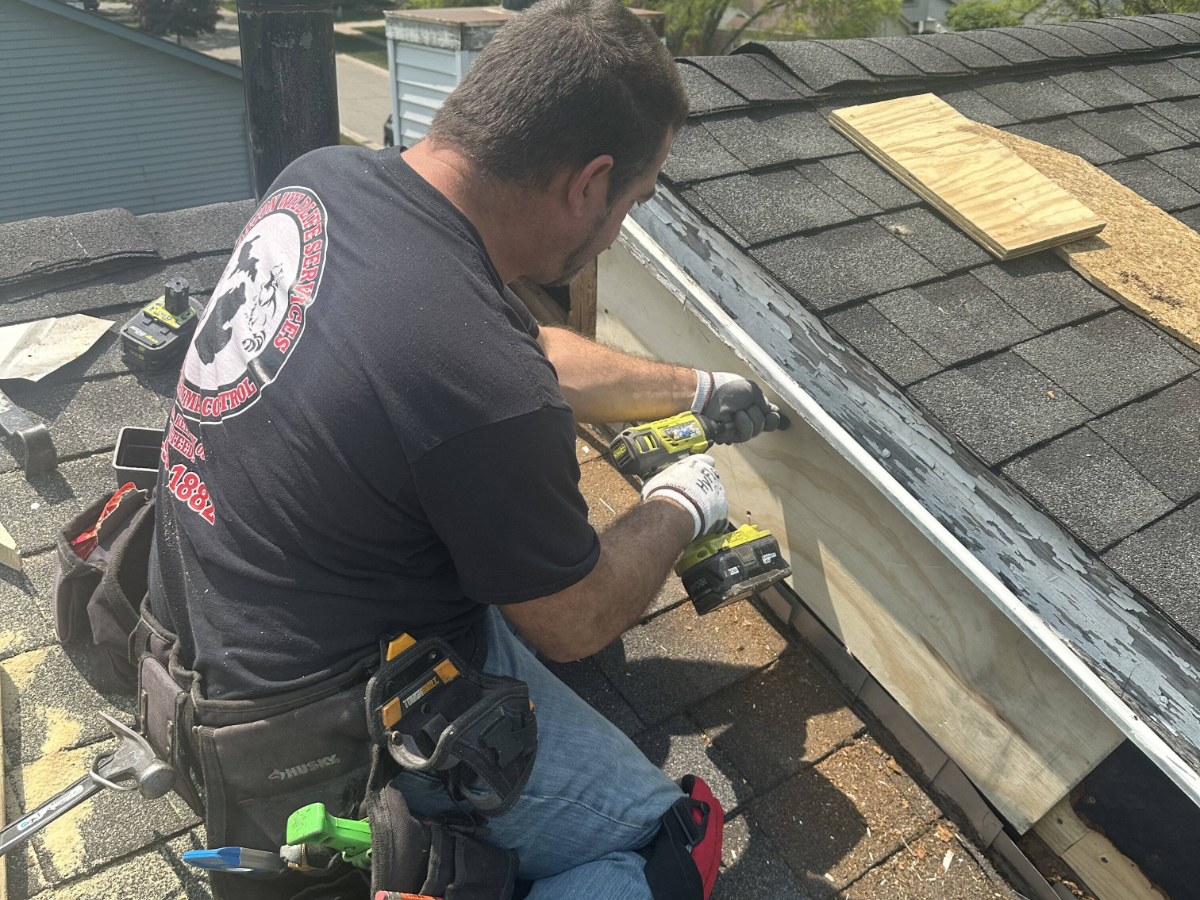
For animals such as squirrels and bats, one-way exclusion devices are often used when appropriate. These systems allow wildlife to leave through an established opening while preventing re-entry.
Once it's confirmed that the animals are out, the entry point and other vulnerable areas can be properly secured.
Identifying the Animal Is Only Half the Problem
Knowing whether you have squirrels, bats, mice, or raccoons is important, but there's another question that matters just as much:
How did they get inside?
Wildlife activity in an attic means there's an opening somewhere in the exterior of the home.
Common access points include:
- Roof vents
- Ridge vents
- Gable vents
- Soffits
- Fascia
- Roof returns
- Chimneys
- Gaps where different building materials meet
- Utility penetrations
- Damaged or deteriorating exterior components
Removing an animal without correcting its access point leaves the home vulnerable to another intrusion.
What a Professional Wildlife Inspection Can Reveal
An experienced wildlife technician doesn't identify an attic problem based solely on the noises a homeowner describes.
A thorough inspection looks for the physical evidence that confirms what's happening.
That can include identifying droppings, nesting materials, tracks, chew marks, staining, damaged insulation, active entry points, and vulnerable areas elsewhere around the exterior.
Once the species and access points are identified, an appropriate plan can be developed for removal or exclusion.
Depending on the situation, that plan may also include structural repairs, sealing secondary entry points, cleanup, sanitization, or insulation restoration.
What Should You Do If You Hear Something in Your Attic?
Start by paying attention.
Make note of the type of sound, the approximate time it occurs, where it seems loudest, and how long the activity lasts. If possible, observe the exterior of your home from ground level for repeated animal activity around the roofline.
Avoid entering an attic with active wildlife or attempting to handle animals yourself.
And don't assume that a few quiet days mean the issue has disappeared.
If the sounds continue or you're seeing additional evidence of wildlife, a professional inspection can determine what's actually happening and what needs to be done.
Final Thoughts
Scratching, chirping, squeaking, chewing, fluttering, and thumping can all tell you something about what's happening above your ceiling.
A light nighttime scratch may point toward rodents. Daytime running could suggest squirrels. Chirping may indicate nesting birds, while heavier nighttime movement could be associated with a larger animal.
But attic sounds are clues, not a diagnosis.
The most important step is determining which animal is present, how it entered, whether additional entry points exist, and what needs to be done to keep the problem from returning.
With more than 22 years of experience, Ancon Wildlife Services provides professional wildlife inspections, removal, exclusion, structural repairs, and cleanup. If you've been hearing unexplained noises in your attic, our team can get to the source of the problem and develop a solution designed to protect your home long after the noises stop.
‹ Back
Recent Posts
-
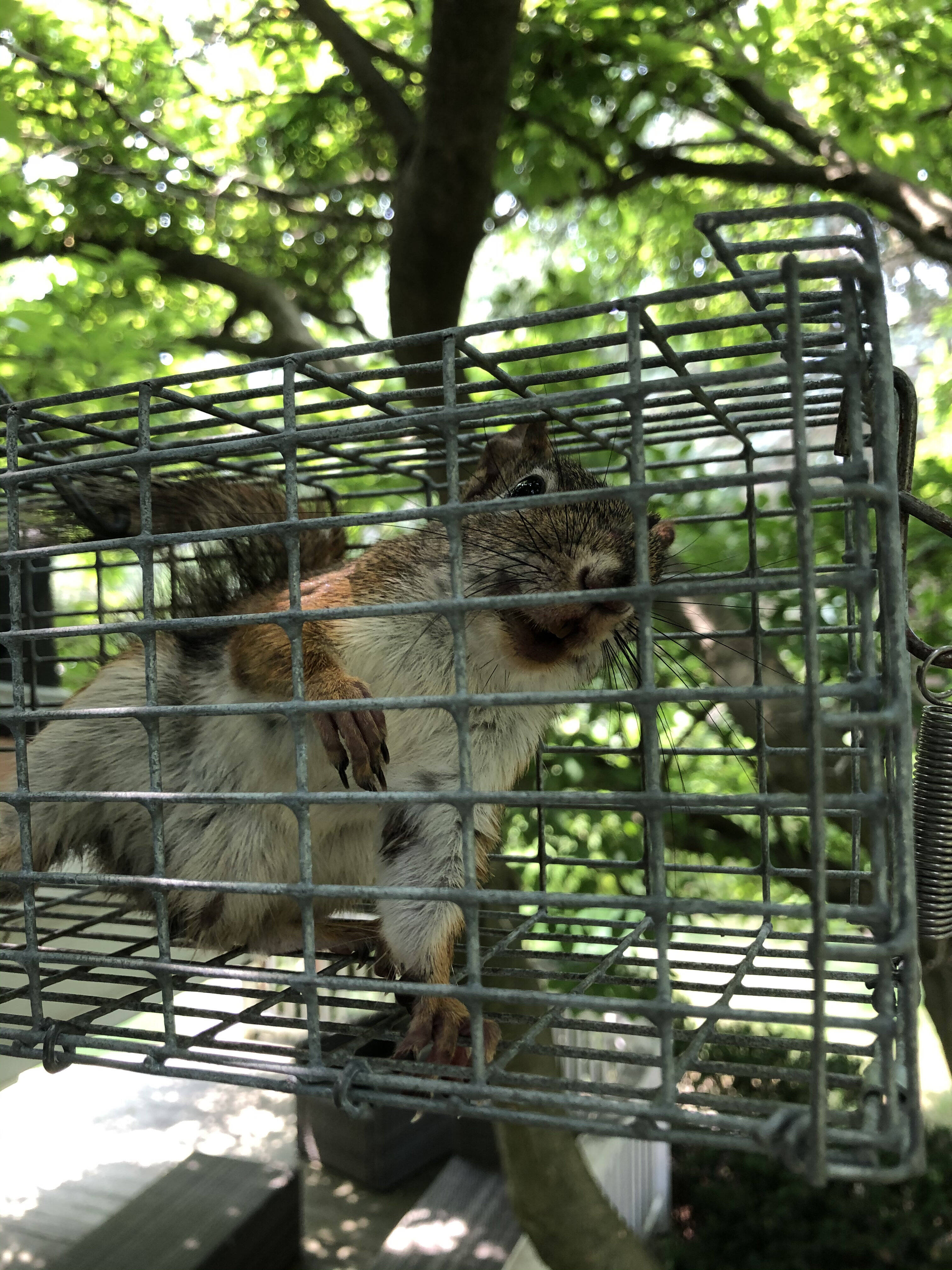
What Scratching, Chirping, and Thumping Sounds in the Attic May Mean
September 24, 2026
-
-
-
-



.png) Facebook
Facebook.png) Twitter
Twitter