
Primary vs. Secondary Entry Points: Why Both Must Be Addressed
When wildlife gets into a home, the most obvious opening usually gets all the attention. A squirrel-sized hole in the soffit, a damaged roof vent, or a visible gap near the fascia may clearly explain how the animal entered.
That opening is often the primary entry point.
However, it may not be the only opening the animal can use. Smaller gaps, loose construction materials, damaged vents, and hidden roofline seams may also provide access. These are secondary entry points, and overlooking them is one of the most common reasons wildlife problems return after removal.
A successful wildlife exclusion project must address both. Closing only the most obvious hole may stop activity temporarily, but it does not necessarily make the home secure.
What Is a Primary Entry Point?
The primary entry point is the opening wildlife is actively using most often to enter and exit the structure.
It may be easy to identify because it shows visible signs of repeated activity. Depending on the species, these signs can include:
- Chewed or broken building materials
- Staining or dark marks around an opening
- Hair caught on rough edges
- Droppings near the access area
- Nesting material
- Repeated animal activity in the same location
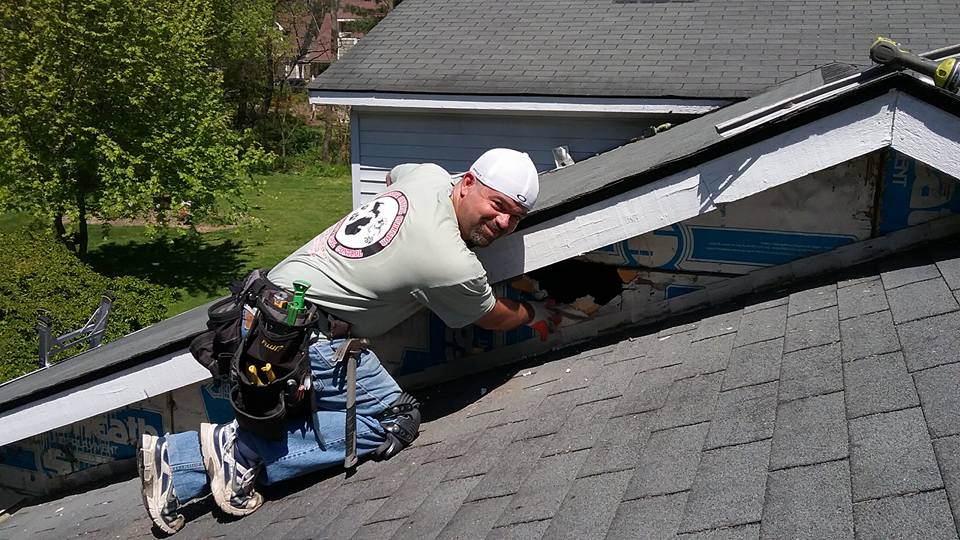
A squirrel may use a hole it chewed through a soffit. Raccoons may force their way through a weakened roof edge or vent. Bats may repeatedly enter through a narrow gap near the fascia or flashing.
Because the primary entry point usually shows the clearest evidence, it is often the first place homeowners notice and the first area someone attempts to repair.
What Is a Secondary Entry Point?
A secondary entry point is another opening that wildlife could use, even if there is little or no evidence that it is currently the main route inside.
These openings may be smaller, less accessible, or located elsewhere on the structure. Some are already large enough for animals to use. Others are weak areas that can quickly become active once the primary opening is closed.
Common secondary entry points include:
- Loose soffit panels
- Gaps around roof vents
- Openings where rooflines meet
- Damaged fascia or trim
- Unscreened exhaust vents
- Construction gaps beneath roof edges
- Openings around utility lines
- Loose flashing
- Deteriorated wood
- Gaps around chimneys or dormers
Secondary entry points are often harder to find because they may not show obvious signs of animal activity. They can also be hidden behind gutters, beneath roof overhangs, or along upper sections of the home that are difficult to inspect from the ground.
Why Wildlife May Use More Than One Opening
Animals do not always rely on a single route.
Some use one opening as their main entrance and another as an occasional exit. Others explore several weak areas before settling on the easiest pathway. A mother with young may also use a different route if she feels threatened or if her usual opening is disturbed.
Bats are especially capable of using multiple small gaps along the roofline. A colony may appear to be entering through one visible location while several bats are using other openings nearby.
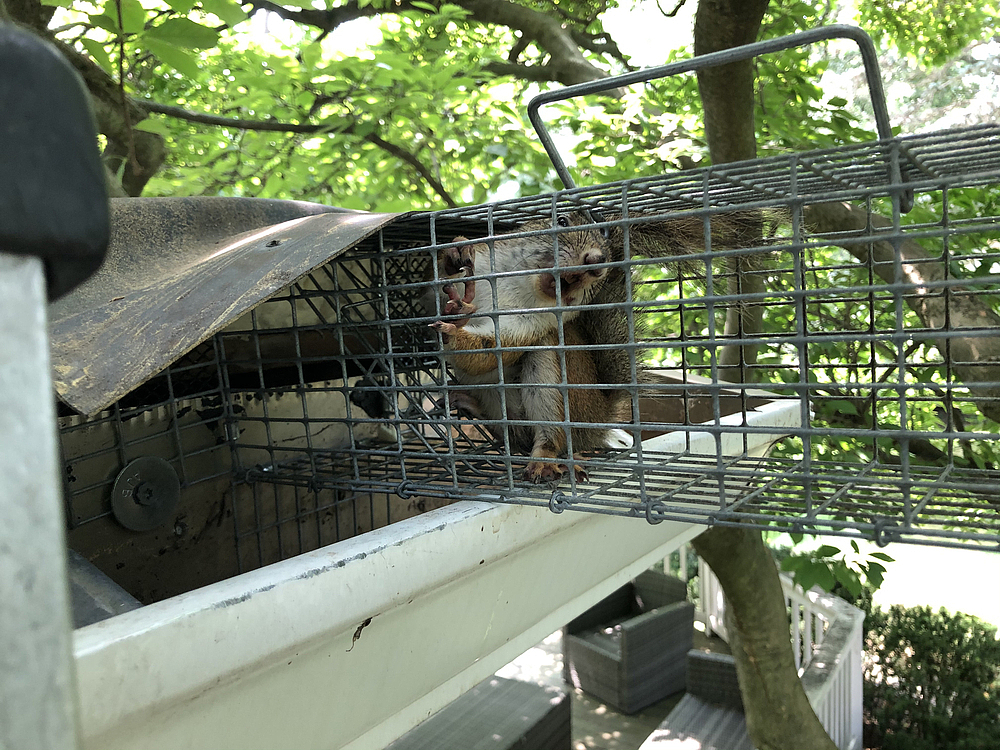
Squirrels may have one obvious hole but continue investigating vents, trim, and weakened soffits. If their main access is blocked, they may quickly move to another vulnerable area or enlarge a smaller gap by chewing.
This is why activity can appear to stop after a repair and then resume days or weeks later.
Closing the Primary Opening Can Shift the Problem
When the primary entry point is sealed without addressing secondary openings, the animal may simply change routes.
This can happen in several ways.
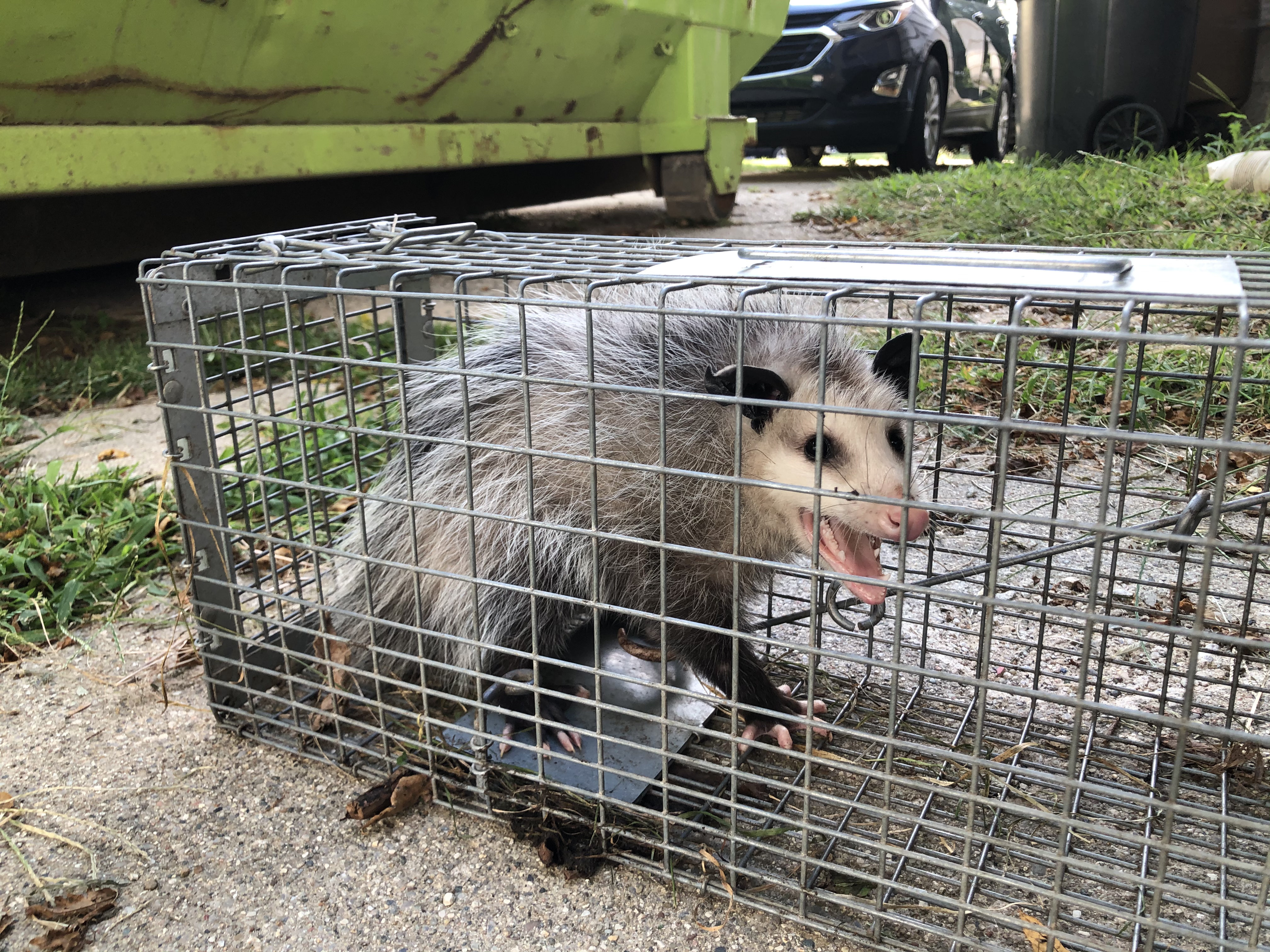
The animal may begin using an existing secondary opening. It may enlarge a weak area that was previously too small. It may create a new hole nearby. In some cases, it may become trapped inside the structure and cause additional damage while trying to escape.
A repair can appear successful at first because the original opening is no longer being used. However, the wildlife problem may still be active elsewhere.
The homeowner might begin hearing sounds in a different part of the attic or notice damage at another section of the roofline. What looks like a new problem is often the same unresolved issue moving to another vulnerable area.
Different Species Exploit Different Weaknesses
Identifying secondary entry points requires an understanding of the animal involved. Each species interacts with a structure differently.
Bats
Bats can enter through very narrow openings, often along roof edges, flashing, vents, soffits, and construction seams. Their secondary access points may be difficult to see and may show little visible damage.
Since bats usually do not chew their way inside, their entry points often look like ordinary gaps in the structure. A thorough inspection must account for every opening of a usable size, not only the location where the most activity has been observed.
Squirrels
Squirrels can turn a minor vulnerability into a major opening. A loose soffit corner, damaged vent, or deteriorating piece of trim may become a secondary entry point once the squirrel begins chewing.
Even when the main hole is obvious, nearby roofline materials must be inspected for tooth marks, weakened edges, and areas that could be reopened.
Raccoons
Raccoons are strong enough to lift, bend, or tear weakened materials. Roof vents, soffits, fascia boards, and damaged roof edges may all become access points.
A secondary vulnerability does not have to be fully open. If the material can be pulled apart, a raccoon may be able to create its own entrance.
Rodents
Mice and rats can use gaps around foundations, utility penetrations, vents, siding, and roof intersections. Their size allows them to take advantage of openings that may seem insignificant.
A single obvious rodent opening may be only one of several pathways around the home.
Birds
Birds often enter through vents, damaged soffits, roof gaps, and uncapped openings. If one nesting location is closed, they may relocate to another nearby cavity unless all suitable access points are addressed.
Primary and Secondary Entry Points Must Be Handled in the Right Order
Wildlife exclusion is not simply a matter of sealing every visible gap immediately. The timing and sequence of the work matter.
If an active opening is sealed while animals are still inside, they may become trapped. This can lead to damage, odors, contamination, and animals entering the living space while searching for a way out.
A proper process generally begins with identifying the species, locating all possible access points, and determining which openings are active. The removal or exclusion method can then be planned around the animal’s behavior and the time of year.
In many cases, secondary openings are sealed first while the primary entry point remains temporarily available as a controlled exit. A one-way exclusion device may then be installed at the active opening, allowing animals to leave without returning.
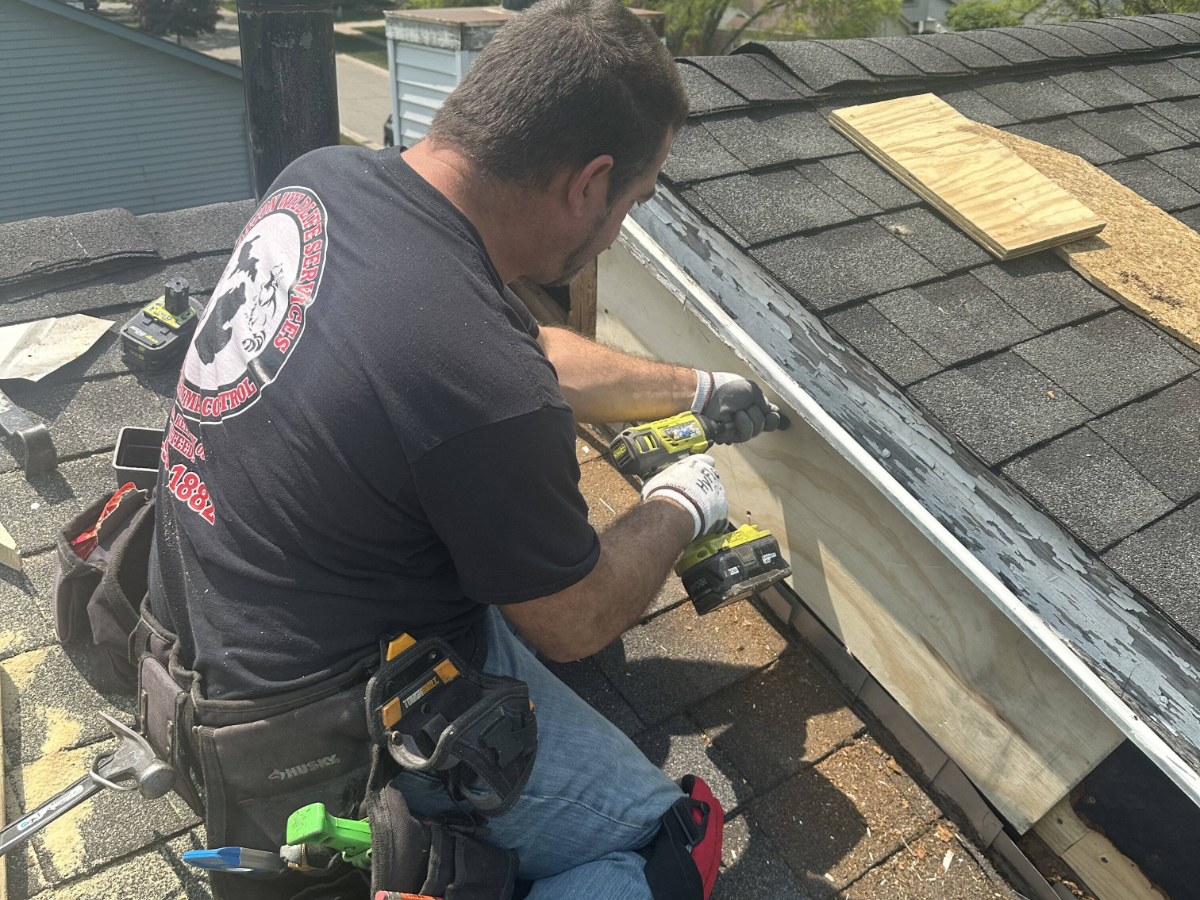
Once the structure is confirmed to be clear, the primary entry point can be permanently closed and reinforced.
The exact method varies by species and situation, but the principle remains the same: every opening must be considered as part of a coordinated plan.
Why a Quick Exterior Patch Often Fails
A visible hole may look like the entire problem, especially when animal activity is concentrated around it. Covering that opening can feel like the fastest and most practical solution.
However, a quick patch does not answer several important questions:
- Is the animal still inside?
- Are there young present?
- Are other openings available?
- Is the surrounding material strong enough to resist future entry?
- Has the full roofline been inspected?
- Is the repair appropriate for the species involved?
- Is the timing safe and legal?
Without those answers, the repair may only redirect the activity.
Some animals will test nearby areas immediately after losing access. Squirrels may chew beside the patch. Raccoons may pull at adjacent materials. Bats may begin using a nearby seam that was previously less active.
The result is often another repair, additional damage, and a longer overall problem.
Secondary Entry Points Are Often Structural Warning Signs
A secondary opening may reveal more than a wildlife issue. It can also indicate a vulnerable or deteriorating part of the home.
Loose soffits, rotting fascia, damaged vents, and open roof joints are conditions that may worsen over time. Even when wildlife is not actively using them, they can allow moisture, insects, and future animal activity into the structure.
Addressing these weaknesses during exclusion work helps reduce the likelihood of another intrusion. It also provides an opportunity to correct areas that might otherwise remain unnoticed until they cause a larger problem.
The goal is not to seal random gaps throughout the home. It is to identify realistic wildlife access points and reinforce them with durable, appropriate materials.
A Complete Inspection Looks Beyond the Obvious
A professional wildlife inspection should examine the entire structure, not only the location where activity was first reported.
Depending on the property and the species involved, this may include:
- Roof edges and transitions
- Soffits and fascia
- Roof and attic vents
- Chimneys and flashing
- Dormers
- Gable ends
- Utility penetrations
- Foundations
- Crawl space openings
- Porches and decks
- Exterior wall cavities
- Attached garages and additions
The inspector should also look for signs that distinguish an active opening from a potential one. Wear patterns, staining, chewing, tracks, droppings, and nesting debris can all help show how wildlife is moving around the structure.
This broader inspection is what allows the exclusion plan to address the whole problem rather than only its most visible symptom.
Repairs Must Be Strong Enough for the Animal Involved
Not every seal or patch is suitable for wildlife exclusion.
Foam, thin plastic, light screening, and temporary filler materials may cover a gap, but they often provide little resistance against chewing, pulling, or weather exposure. A repair that looks closed may still be vulnerable.
Materials and reinforcement methods should be selected based on the location and the species involved. An area targeted by squirrels or raccoons may require stronger protection than a passive construction gap used by bats.
The surrounding material also matters. Fastening a patch to rotting wood or loose trim does not create a durable repair. In some cases, the damaged section must be rebuilt or reinforced before the entry point can be considered secure.
Prevention Depends on Addressing the Entire Access Pattern
Wildlife removal solves the immediate presence of the animal. Exclusion addresses the pathway that allowed the problem to develop.
For exclusion to work, the home must be evaluated as a complete structure. The obvious opening matters, but so do the smaller gaps, weakened materials, and alternate routes around it.
Primary and secondary entry points are part of the same access pattern. Ignoring either one leaves the solution incomplete.
A proper wildlife exclusion project should:
- Identify the species involved.
- Locate the primary active opening.
- Inspect for secondary and potential access points.
- Confirm whether animals or young are still inside.
- Seal appropriate secondary openings.
- Use the correct removal or one-way exclusion process.
- Close and reinforce the primary entry point once the structure is clear.
- Recheck the property for continued activity.
Following this process helps prevent the animal from changing routes and reduces the likelihood of another wildlife problem developing through a missed opening.
One Missed Gap Can Undo the Entire Job
A wildlife exclusion project can address several openings successfully and still fail because of one overlooked gap.
That is what makes secondary entry points so important. They may be less visible and less active, but they can become the next primary opening as soon as conditions change.
The most reliable solution is not to focus only on where the animal is entering today. It is to understand every realistic way it could enter tomorrow.
Schedule a Professional Wildlife Inspection
If you hear movement in the attic, notice animals entering near the roofline, or discover damage around your home, the visible opening may be only part of the issue.
Ancon Wildlife Services provides thorough inspections, species-specific removal, and structural exclusion designed to address both primary and secondary entry points. With more than 22 years of experience, our licensed and insured team focuses on finding the complete access pattern and helping protect the home from repeat wildlife activity.
Schedule an inspection to identify how wildlife is getting inside and what needs to be addressed for a lasting solution.
‹ Back


.png) Facebook
Facebook.png) Twitter
Twitter