
How Wildlife Uses Roof Vents, Gable Vents, and Exhaust Vents to Get Inside
Your home's vents have an important job. They allow air to move through attics, bathrooms, kitchens, and other spaces while helping manage heat and moisture. Unfortunately, the same openings designed to move air can also become convenient access points for wildlife.
Squirrels may chew through a vulnerable roof vent. Bats can slip through small gaps around vent edges. Birds may build nests inside exhaust vents. Mice can exploit openings that seem far too small to cause concern.
Understanding which vents are vulnerable, how animals use them, and what proper protection looks like can help homeowners prevent a minor exterior weakness from becoming a much larger wildlife problem.
Why Are Vents So Attractive to Wildlife?
Unlike a hole in siding or a damaged section of roof, vents are intentional openings in a home's exterior. They need to remain open enough to perform their intended function, which makes protecting them more complicated than simply sealing a gap.
Wildlife may investigate vents because they provide:
- Potential access to warm, sheltered spaces
- Protection from weather and predators
- Locations suitable for nesting
- Openings that can be enlarged through chewing or pulling
- Direct routes into attics and other concealed areas
Some animals actively damage vent components to gain entry. Others simply take advantage of screens, covers, or surrounding materials that have deteriorated over time.
The type and location of the vent can also influence which animals are most likely to target it.
Roof Vents: A Common Route Into the Attic
Roof vents help release heat and moisture from attic spaces. Because they sit directly on the roof, they're also positioned in an area frequently traveled by squirrels and other climbing wildlife.
How Squirrels Exploit Roof Vents
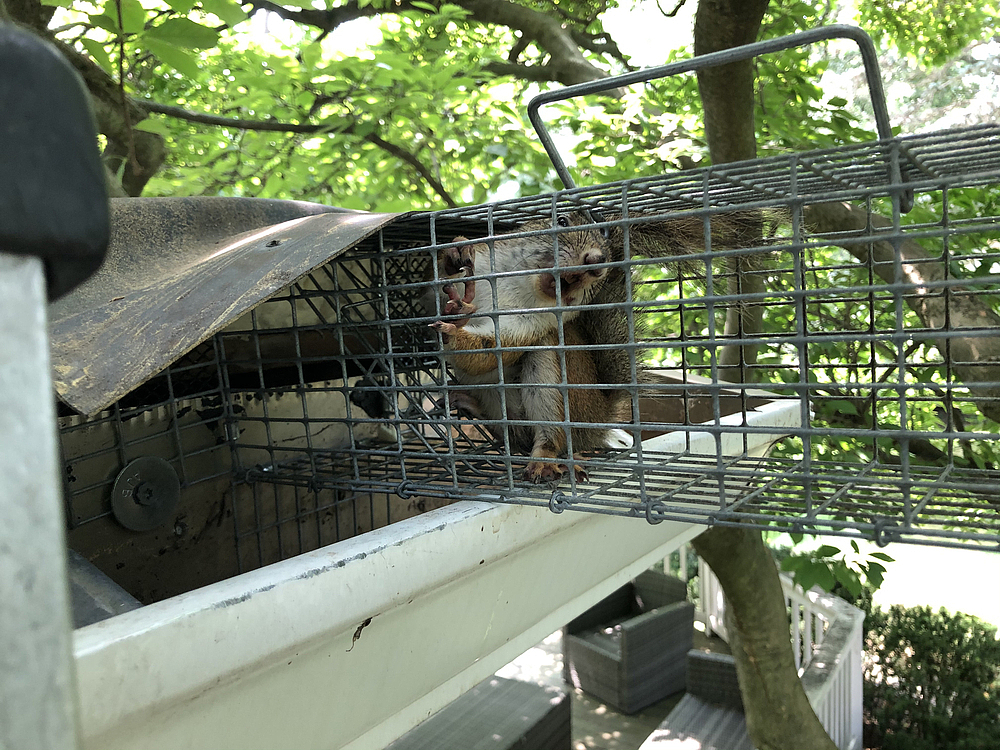
Squirrels are excellent climbers and persistent chewers. A plastic vent cover or weakened component may be all that stands between a squirrel and the attic.
Once a squirrel begins chewing, a relatively minor weakness can become a usable opening. After gaining access, the animal may establish a nest and begin damaging insulation, wood, stored belongings, or electrical wiring.
Signs of activity around a roof vent can include:
- Visible chewing or broken vent components
- Bent or displaced screening
- Nesting material near the opening
- Repeated squirrel activity on the same section of roof
- Scratching or movement inside the attic
Replacing a damaged vent without addressing why it was vulnerable may not be enough. If the replacement can be chewed or pulled apart in the same way, the problem can repeat.
Bats and Roof Vents
Bats don't need to chew their way inside. Instead, they take advantage of existing gaps.
A small space where a vent meets the roof or a gap beneath surrounding materials may provide enough room for bats to access the attic. These openings can be difficult to identify from ground level, particularly when they're located high on the roof.
That is one reason a complete roofline inspection is so important when dealing with bats. The obvious opening may not be the colony's only access point.
Gable Vents: Large Openings With Vulnerable Screens
Gable vents are typically located high on an exterior wall near the peak of the roof. Their purpose is to promote airflow through the attic, but their size can make them attractive to wildlife when the protective screening becomes damaged.
Birds, bats, squirrels, and other small animals may all investigate an inadequately protected gable vent.
Common vulnerabilities include:
- Torn or deteriorated screening
- Loose vent components
- Gaps around the perimeter
- Damaged louvers
- Screening that can be pushed or pulled aside
A gable vent may appear intact from the ground even when the screening behind it has failed.
Why Screening Quality Matters
Lightweight screening may be sufficient for insects, but it isn't necessarily designed to withstand wildlife.
A determined squirrel can damage weak material, while birds may exploit openings around the edges. Once an animal gets behind the visible vent cover, it may have direct access to the attic.
Professional exclusion often involves reinforcing vulnerable areas with wildlife-resistant screening or other materials while preserving the airflow the vent was designed to provide.
Exhaust Vents Can Become Nesting Sites
Not every wildlife entry point leads directly into an attic.
Bathroom fans, kitchen exhausts, and dryer vents terminate at the exterior of the home, creating openings that can attract birds and other small animals. Depending on the vent design and condition, wildlife may enter the duct itself rather than the surrounding structure.
Birds are a particularly common concern because an exhaust vent can resemble a protected cavity suitable for nesting.
Potential signs include:
- Chirping or movement coming from the vent
- Nesting material visible near the exterior opening
- Reduced airflow
- Unusual noises when a fan or appliance operates
- Birds repeatedly flying to and from the vent
A nest inside an exhaust system can obstruct airflow and interfere with the vent's intended operation. Simply removing visible nesting material may also be insufficient if the exterior opening remains accessible.
Small Rodents Can Exploit Vent Gaps Too
Mice don't require an obviously damaged vent to find their way inside.
Small gaps around vent penetrations, deteriorated seals, damaged screening, and spaces where exterior components meet can all create opportunities for rodents. Once inside the structure, mice can travel through wall cavities, insulation, and other concealed spaces.
This is why rodent exclusion often involves examining more than ground-level foundation gaps. The entire exterior needs to be considered.
The Problem With Simply Blocking a Vent
When homeowners discover that wildlife is using a vent, the obvious reaction may be to cover or seal it.
That can create a different problem.
Vents exist for a reason, and interfering with their airflow can affect the system they serve. Attic ventilation, bathroom exhaust, kitchen ventilation, and dryer exhaust all have specific requirements.
Wildlife protection therefore needs to accomplish two things at once:
- Prevent animals from entering.
- Allow the vent to continue functioning correctly.
The appropriate solution depends on the type of vent, the animal involved, and how the opening is constructed.
Make Sure Animals Are Out Before Sealing
Another important rule of exclusion is that an active entry point shouldn't simply be closed while wildlife is still inside.
Sealing animals into an attic, wall cavity, or vent can create additional problems. An animal may damage other parts of the structure while attempting to escape, or it may become trapped inside.
For species such as bats and squirrels, one-way exclusion devices can often be used. These allow animals to exit through an established route while preventing them from getting back inside.
Once activity has ended and the animals are confirmed out, the opening can be properly secured.
One Entry Point May Not Be the Only Entry Point
Finding a damaged roof vent is useful, but it doesn't necessarily mean you've found the entire problem.
Wildlife can take advantage of multiple weaknesses around a structure. A home with one compromised vent may also have a loose soffit, an aging ridge vent, gaps along the fascia, or another vulnerable opening nearby.
This is especially important with bats, which can use very small gaps that are easily overlooked.
A comprehensive inspection should identify both the primary entry point currently being used and secondary vulnerabilities that could provide another route inside later.
How Professional Vent Exclusion Works
The exact process varies depending on the vent and species, but effective exclusion generally begins with a detailed exterior and interior inspection.
A wildlife professional can determine:
- Whether the vent is actively being used
- What species is responsible
- Whether animals or young are still inside
- Whether additional entry points exist
- What parts of the vent have been damaged
- Which materials can provide appropriate protection
- Whether cleanup or repairs are needed inside
The goal isn't to eliminate ventilation. It's to make the opening resistant to wildlife while allowing it to continue doing its job.
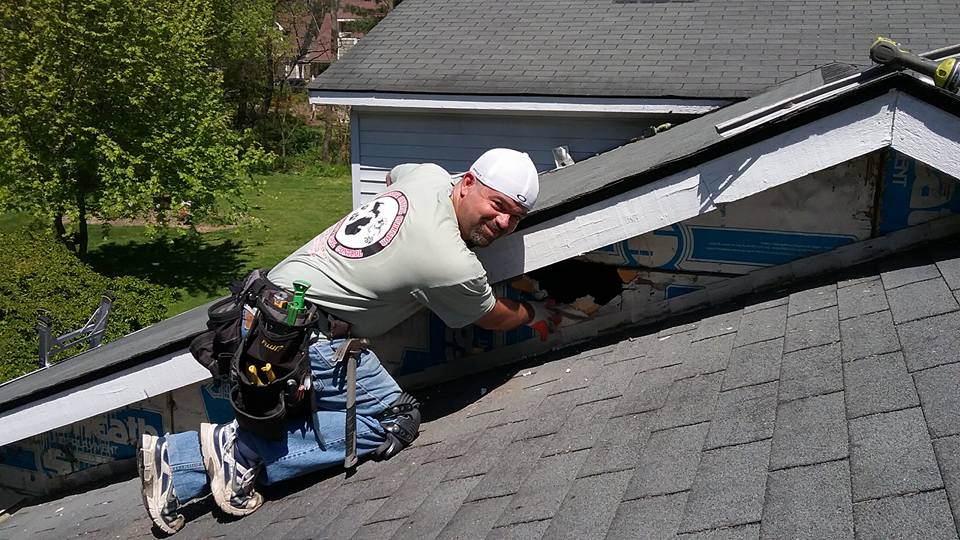
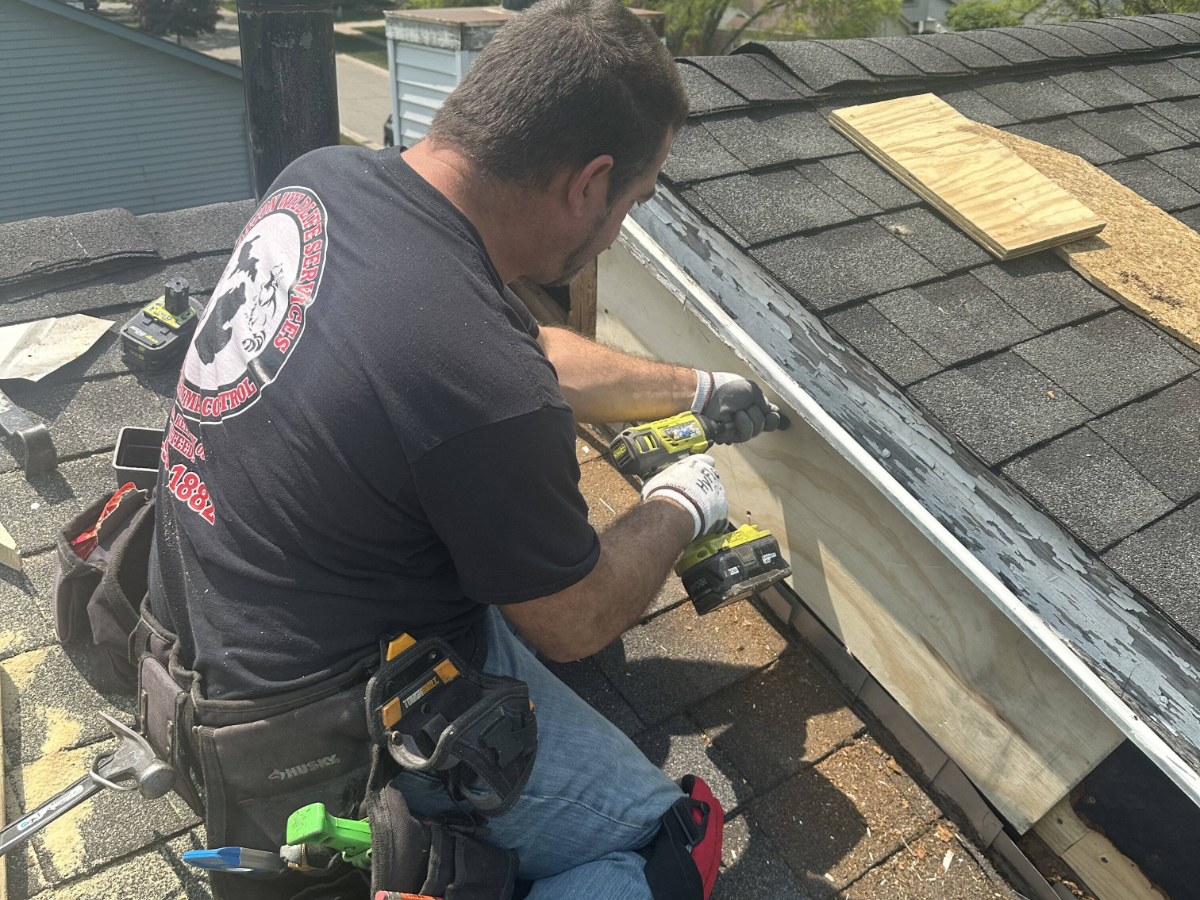
That may involve reinforced vent covers, wildlife-grade screening, metal protection, structural repairs, or other solutions appropriate to the particular opening.
Don't Forget About the Rest of the Roofline
Vents deserve attention because they naturally create openings in the building envelope, but they're only one part of a wildlife inspection.
Other areas worth checking include:
• Soffits
• Fascia boards
• Ridge vents
• Roof returns
• Chimneys
• Eaves
• Roof and siding intersections
• Utility penetrations
• Areas where previous repairs have deteriorated
Wildlife is opportunistic. If one route is secured but another remains available, the problem may simply shift elsewhere.
Protecting Your Home Before a Vent Becomes an Entry Point
You don't necessarily need to wait until an animal is already living inside to address vulnerable vents.
Periodically inspecting exterior vents can help identify cracked covers, damaged screens, loose components, and other weaknesses before wildlife takes advantage of them. This is particularly valuable on older homes or properties that have experienced wildlife activity in the past.
Preventative exclusion can reinforce vulnerable openings while they're still simply maintenance concerns rather than active infestations.
Final Thoughts
Roof vents, gable vents, and exhaust vents are essential parts of a home, but they can also provide some of the most appealing opportunities for wildlife to get inside.
The solution isn't simply to close every opening. Effective wildlife exclusion protects vulnerable vents while preserving the ventilation and airflow they're designed to provide.
If you've noticed damage around a vent, repeated animal activity on your roof, noises inside the attic, or signs of nesting in an exhaust opening, Ancon Wildlife Services can help determine what's happening. With more than 22 years of wildlife removal and exclusion experience, our team can identify active and potential entry points, safely address the wildlife involved, and reinforce vulnerable areas to help prevent the problem from returning.
‹ Back
Recent Posts
-
What Scratching, Chirping, and Thumping Sounds in the Attic May Mean
September 24, 2026
-
-
-
-

.png) Facebook
Facebook.png) Twitter
Twitter