
Exclusion vs. Trapping: Why Structural Sealing Is the Real Solution
When homeowners discover wildlife in the attic, walls, or crawlspace, their first instinct is often simple: get the animal out. While removal is certainly important, it's only one piece of the puzzle. In many cases, the real problem isn't the animal itself. It's the opening that allowed it to enter.
This is where many wildlife issues become recurring frustrations. An animal is trapped or removed, only for another one to take its place weeks or months later. Why? Because the access point was never addressed.
Understanding the difference between trapping and exclusion can help homeowners make better decisions and invest in solutions that actually last.
The Goal Isn't Just Removal. It's Prevention
Wildlife removal and wildlife prevention are not the same thing.
Trapping focuses on removing the animal currently causing the problem. Exclusion focuses on preventing animals from accessing the structure in the first place.
In many situations, trapping alone addresses the symptom, while exclusion addresses the cause.
Imagine finding water on your basement floor. Mopping up the water helps in the moment, but if the crack in the foundation remains, the problem will return. Wildlife issues often work the same way.
What Is Wildlife Trapping?
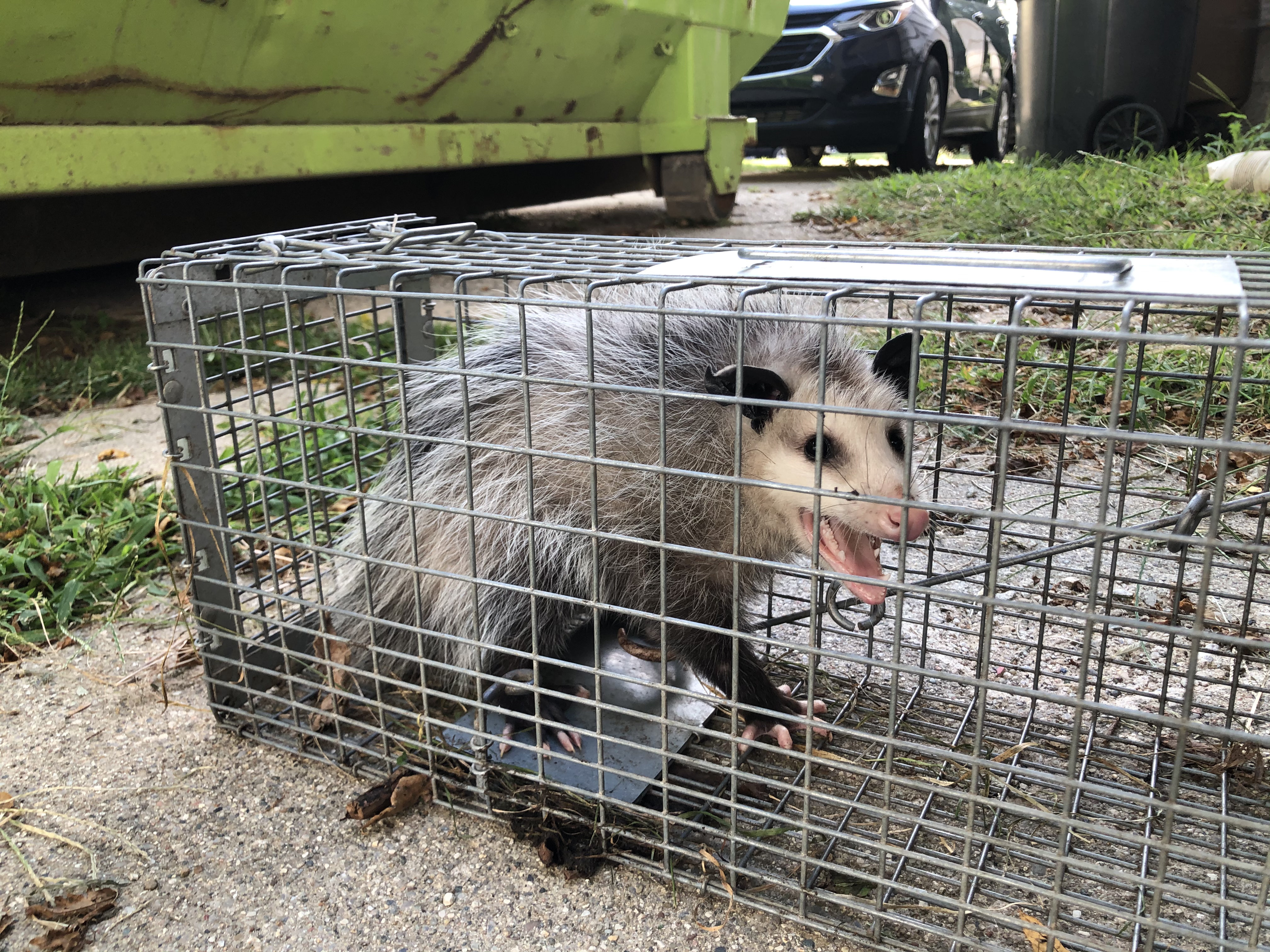
Trapping is the process of capturing an animal that is already inside or around a property. Depending on the species and situation, this may involve:
- Live traps
- Cage traps
- One-way capture systems
- Species-specific removal methods
Trapping can be an effective tool when:
- An animal is actively occupying a structure
- A raccoon, skunk, or groundhog is causing immediate issues
- An animal cannot be removed through exclusion alone
- Safety concerns require immediate removal
However, trapping has limitations.
Removing one squirrel from an attic doesn't prevent another squirrel from entering through the same roof vent next week. Capturing a raccoon doesn't eliminate the damaged soffit it used to gain access.
Without repairs and exclusion work, trapping often becomes a temporary solution.
What Is Wildlife Exclusion?
Exclusion is the process of identifying and securing potential entry points so animals cannot access the structure.
Rather than focusing solely on the animal, exclusion focuses on the building itself.
Common exclusion measures include:
- Reinforcing roof vents
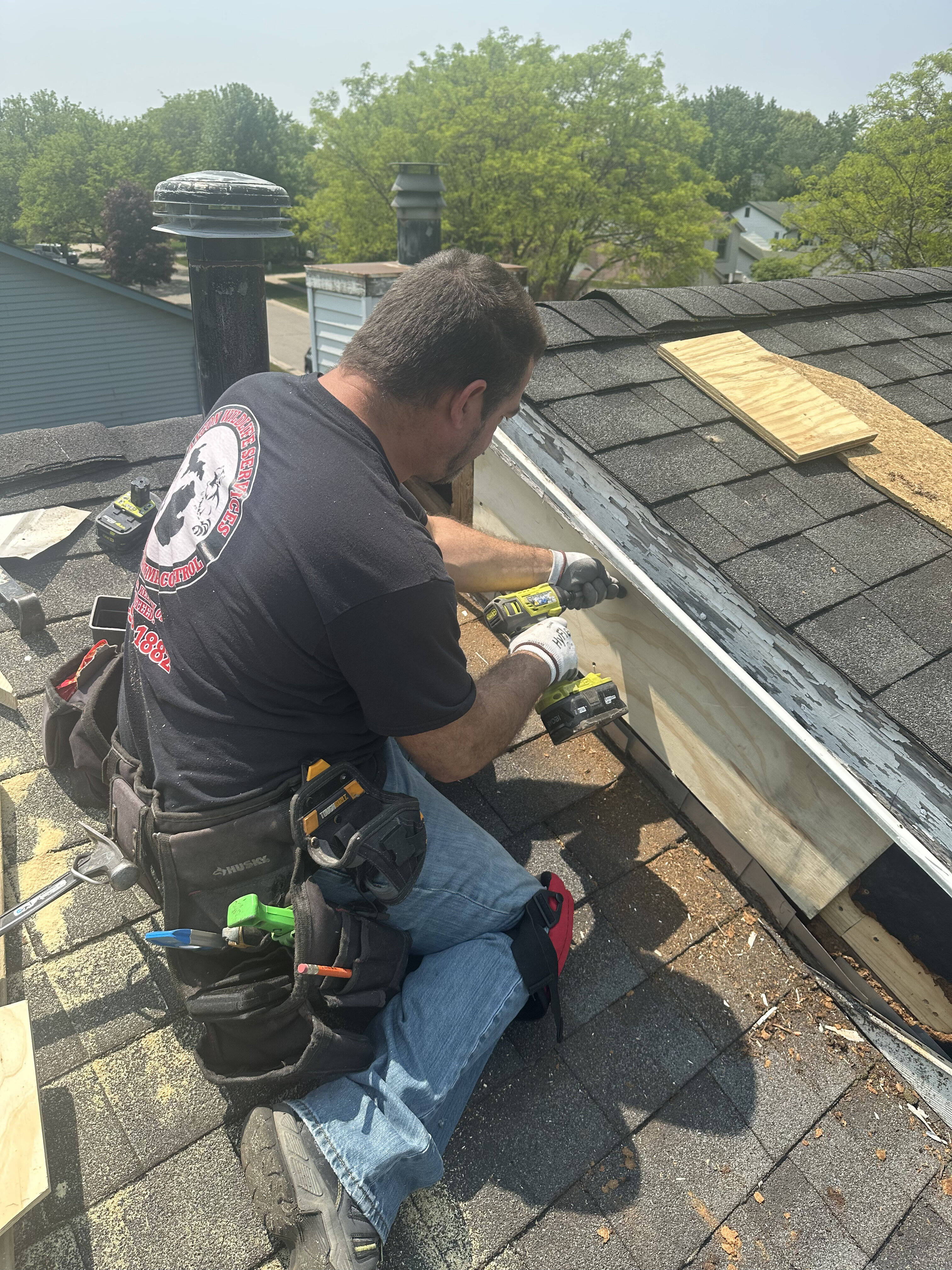
- Sealing roofline gaps
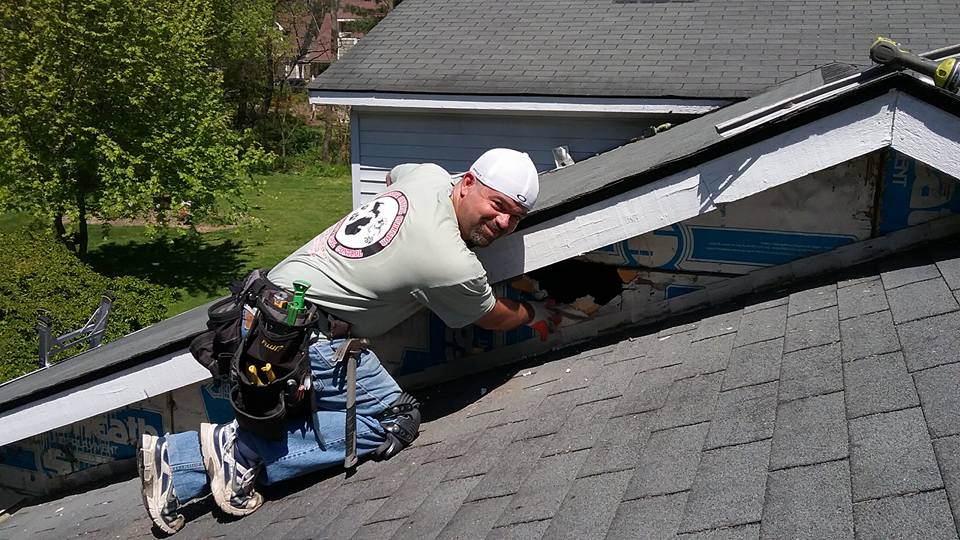
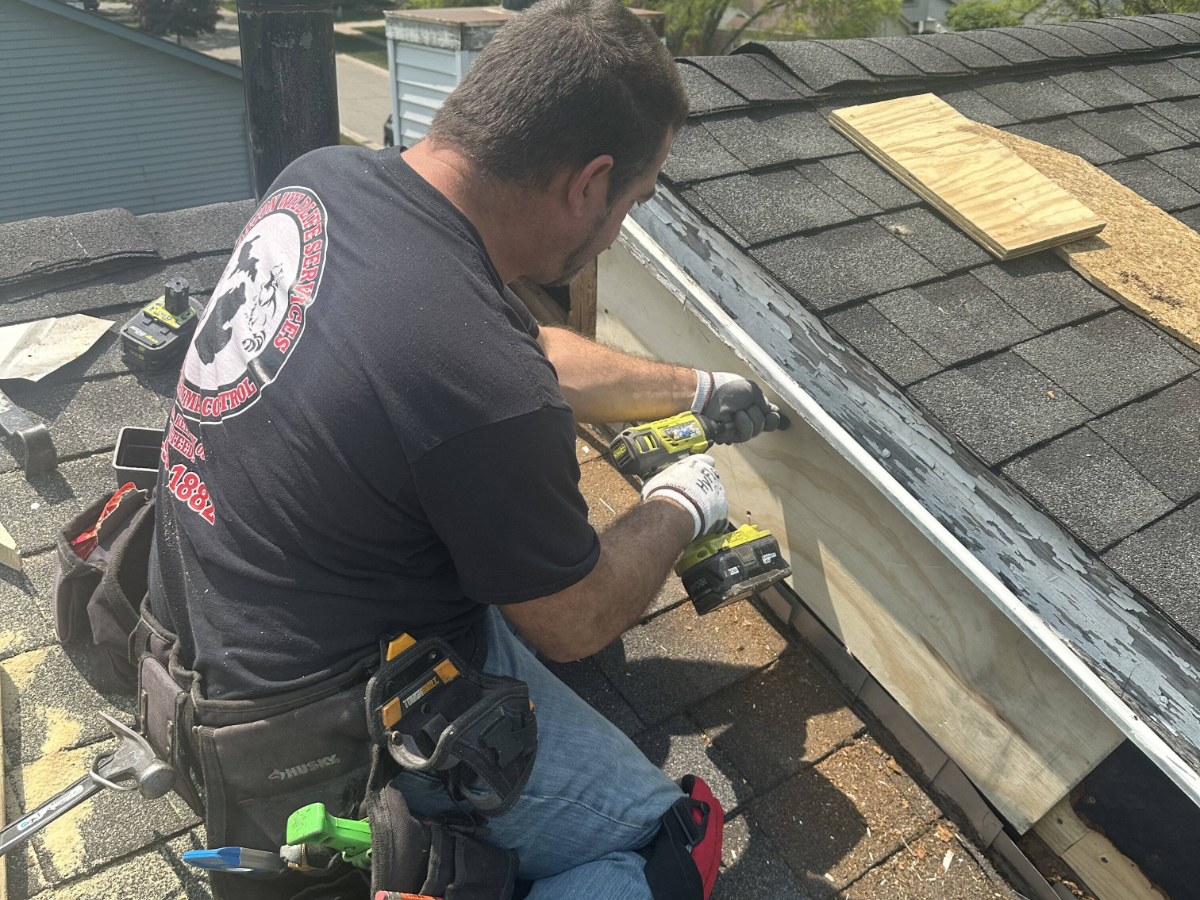
- Repairing soffits and fascia
- Screening attic openings
- Installing chimney caps
- Securing crawlspace vents
- Reinforcing ridge vents
- Installing wildlife-grade mesh and flashing
The objective is simple: make the home inaccessible to wildlife.
When done properly, exclusion prevents future intrusions rather than simply responding to them.
Why Wildlife Keeps Coming Back
One of the biggest misconceptions homeowners have is that removing the animal solves the problem.
Wildlife is constantly searching for:
- Shelter
- Warmth
- Nesting sites
- Protection from predators
Your home may provide all of those things.
If one squirrel discovers a vulnerable soffit, other squirrels may find it as well. The same applies to bats, mice, raccoons, and many other species.
Animals don't necessarily return because they're the same individual animal.
They return because the opportunity remains.
A roofline gap is an invitation. Until it's closed, wildlife will continue to investigate it.
The Most Common Entry Points
Professional inspections frequently uncover vulnerabilities homeowners never knew existed.
Some of the most common include:
Roof Vents
Plastic and lightweight vent covers are frequently damaged by squirrels and raccoons.
Soffits
Age, moisture, and weather can create gaps large enough for wildlife access.
Fascia Boards
Loose or deteriorated fascia provides easy access to attic spaces.
Ridge Vents
Warped or aging ridge vents can create openings along the peak of the roof.
Chimneys
Uncapped chimneys are attractive denning and nesting locations.
Utility Penetrations
Small gaps around pipes, wires, and conduit frequently become rodent entry points.
Many homeowners never notice these vulnerabilities until wildlife makes them obvious.
Why Exclusion Is Often More Humane
Many people assume trapping is the most humane approach because it removes the animal.
In reality, exclusion is often considered the preferred humane solution.
For example:
- One-way bat exclusion devices allow bats to leave naturally without being harmed.
- One-way squirrel doors allow animals to exit safely while preventing re-entry.
- Structural sealing eliminates the need for repeated trapping of future animals.
Rather than continually removing wildlife, exclusion encourages animals to relocate naturally while protecting the home.
Why DIY Repairs Often Fail
Many homeowners attempt to seal wildlife entry points themselves, only to discover the problem returns.
Common reasons include:
- Missing secondary entry points
- Using materials animals can chew through
- Sealing openings while animals are still inside
- Improper installation of vent covers
- Failing to identify the true source of access
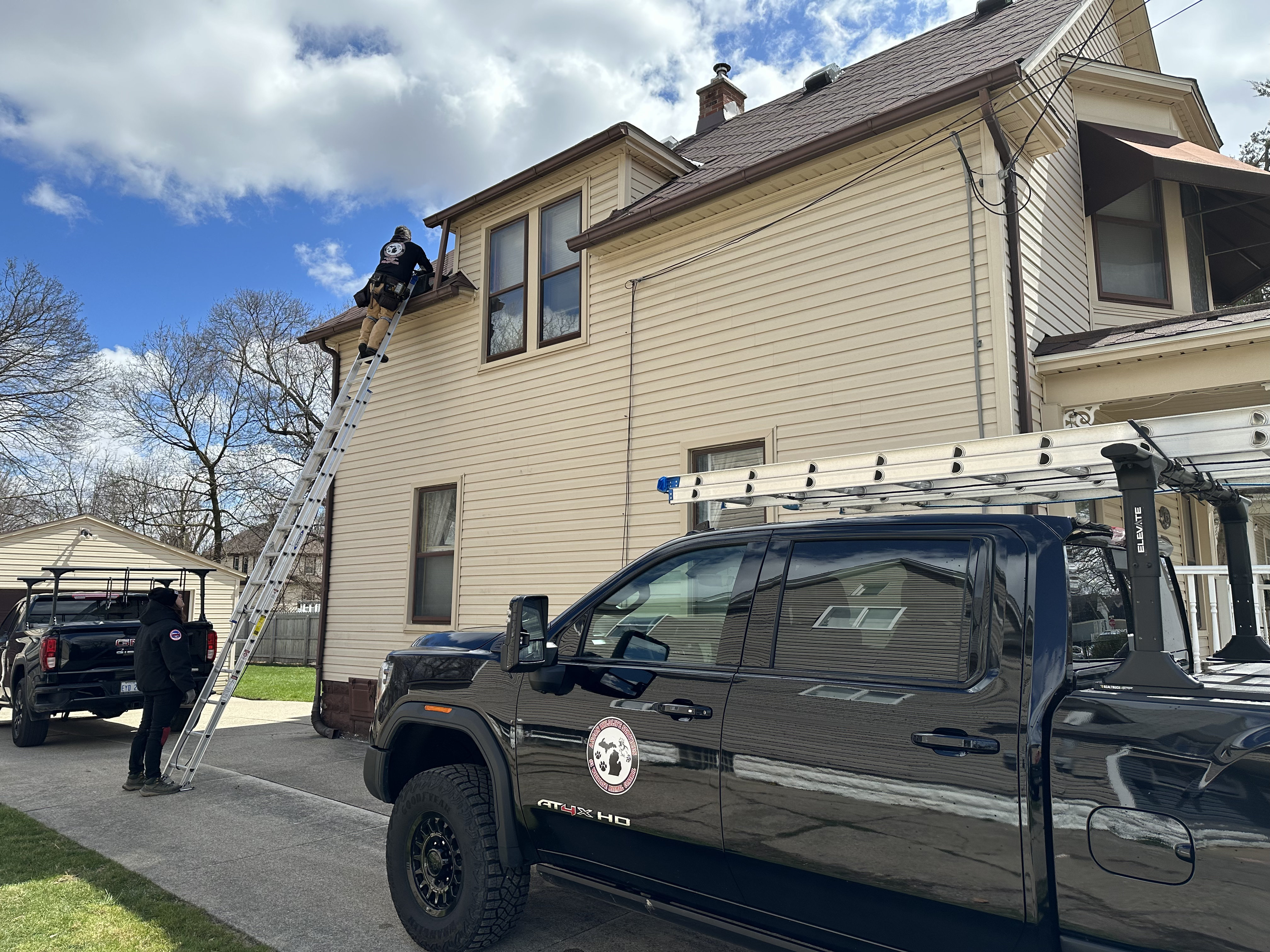
Wildlife exclusion requires understanding both animal behavior and building construction.
An opening that appears insignificant to a homeowner may be the primary access route for a squirrel or bat colony.
What a Comprehensive Wildlife Solution Looks Like
The most effective wildlife services typically follow a structured process:
Inspection
Identify animal activity, entry points, and structural vulnerabilities.
Removal or Exclusion
Use species-appropriate methods to safely remove or exclude animals.
Structural Repairs
Repair and reinforce damaged areas using wildlife-resistant materials.
Cleanup
Address droppings, nesting materials, contaminated insulation, and odors.
Prevention
Provide long-term exclusion measures that reduce future wildlife access.
This approach addresses both the immediate problem and the underlying cause.
Why Professional Exclusion Matters
Quality exclusion work requires more than simply covering a hole.
Materials must withstand weather, animal pressure, and years of exposure. Installations must maintain ventilation where necessary and integrate properly with the structure.
Professional exclusion often includes:
- Heavy-duty metal flashing
- Wildlife-grade mesh
- Reinforced vent protection
- Ridge vent protection systems
- Long-term structural reinforcement
These solutions are designed to protect the property for years, not just until the next season.
Final Thoughts
Trapping has its place in wildlife control, but it is rarely the complete solution. Removing an animal addresses today's problem. Exclusion addresses tomorrow's.
The most effective wildlife management strategy focuses on identifying how animals are entering, safely removing active occupants, and permanently securing vulnerable areas. When those entry points are reinforced properly, homeowners gain something trapping alone can never provide: long-term protection.
If you're dealing with recurring wildlife issues, the question may not be "How do I remove this animal?" but rather "How did it get in, and how do I make sure nothing gets in again?" That is where exclusion becomes the real solution.
‹ Back
Recent Posts
-
What Scratching, Chirping, and Thumping Sounds in the Attic May Mean
September 24, 2026
-
-
-
-


.png) Facebook
Facebook.png) Twitter
Twitter