
How Small Roofline Gaps Turn Into Major Wildlife Entry Points
A small gap along the roofline may not look like a serious issue.
It may be barely visible from the ground. It may sit under a soffit, near a vent, behind trim, or along a construction seam. But to wildlife, that opening can be an opportunity.
Many attic wildlife problems begin with a minor weakness in the exterior of the home. Once animals find it, test it, or enlarge it, that small gap can become the main access point into the structure.
Why Roofline Gaps Matter
The roofline is one of the most common areas for wildlife entry because it connects to protected spaces inside the home. Attics, soffits, wall cavities, and insulation areas all provide shelter, warmth, and protection from weather.
Even a small opening can be enough for certain animals to investigate. Once they recognize that the gap leads to a safe interior space, activity can become repeated and more aggressive.
What looks like a cosmetic issue from the outside can quickly become a structural access problem.
How Animals Find These Openings
Wildlife is constantly moving, climbing, and exploring. Squirrels, bats, raccoons, birds, and rodents all interact with rooflines in different ways.
They may find openings around:
- Fascia boards
- Soffit returns
- Ridge vents
- Gable vents
- Chimney flashing
- Roof-to-wall transitions
- Loose trim or construction seams
Some animals use existing gaps exactly as they are. Others widen them over time.
Squirrels Can Turn Small Gaps Into Larger Damage
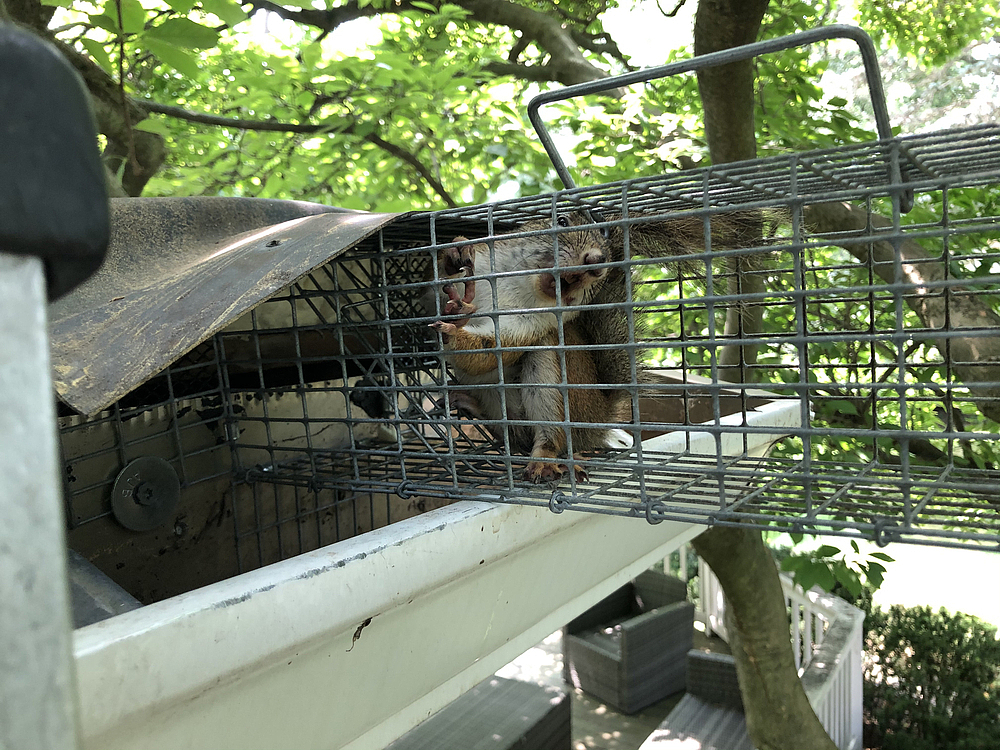
Squirrels are especially aggressive once they identify a vulnerable spot. If a gap is too small, they may chew around it until it becomes large enough to enter.
That chewing can damage fascia boards, soffits, vents, and trim. Over time, the original opening expands, making the home accessible not only to squirrels, but potentially to other wildlife as well.
This is why squirrel issues often become repeat problems when the entry point is only patched lightly instead of properly reinforced.
Bats Only Need a Very Small Opening
Bats do not need to chew or force their way in. They can enter through very narrow construction gaps that are difficult to see without a close inspection.
Common bat entry areas include roofline seams, fascia gaps, vents, ridge areas, and points where different materials meet. Because these openings can be so small, homeowners may not notice them until staining, odor, or attic activity becomes more obvious.
Bat exclusion requires identifying all active and secondary access points before sealing the structure.
Small Openings Can Lead to Bigger Interior Problems
Once wildlife enters through the roofline, the issue rarely stays limited to the opening itself.
Inside the structure, animals may disturb insulation, leave droppings, create odors, damage materials, or continue moving through attic and wall spaces. The longer the entry remains open, the more the issue can spread.
A small exterior gap can eventually lead to:
- Insulation disturbance
- Contamination
- Odor issues
- Chewed materials
- Repeated re-entry
- Additional structural damage
The damage inside is often more significant than what can be seen from outside.
Weather and Age Make Gaps Worse Over Time
Roofline gaps often develop gradually. Materials shift, boards separate, vents loosen, and trim begins to pull away. Weather exposure can also weaken caulking, flashing, and exterior materials over time.
Once a weak point exists, wildlife activity can accelerate the damage. An area that may have started as a small construction gap can become an active access point if it is not addressed properly.
That is why even minor exterior vulnerabilities should not be ignored.
Why Quick Patching Often Fails
Covering a visible gap may seem like a simple solution, but wildlife entry points need to be handled carefully.
If animals are already inside, sealing the gap too soon can trap them within the structure. If only one opening is patched, secondary access points may remain available. And if weak materials are used, animals may chew or push their way back in.
Proper repair requires understanding whether the gap is active, what species is using it, and whether other vulnerabilities exist nearby.
A Proper Inspection Looks Beyond the Obvious
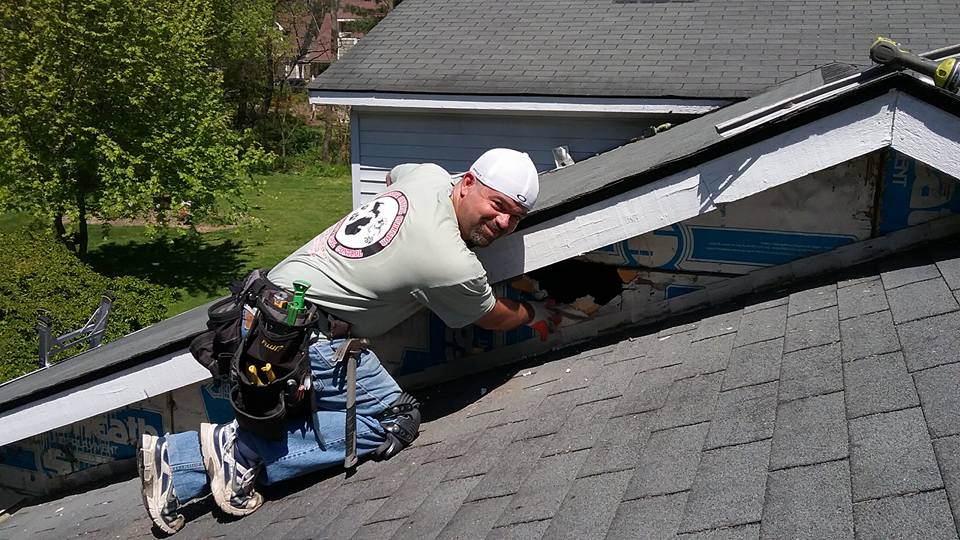
A professional wildlife inspection does not stop at the most visible opening. It looks at the full structure to determine how wildlife may be entering, moving, and re-entering.
That includes checking rooflines, vents, soffits, fascia, attic access areas, and surrounding weak points. The goal is to identify both active entry points and potential future access areas.
Without that full picture, the problem can easily return.
Exclusion Is What Prevents Repeat Entry
Removing the animal solves only part of the issue. Exclusion is what prevents the same problem from happening again.
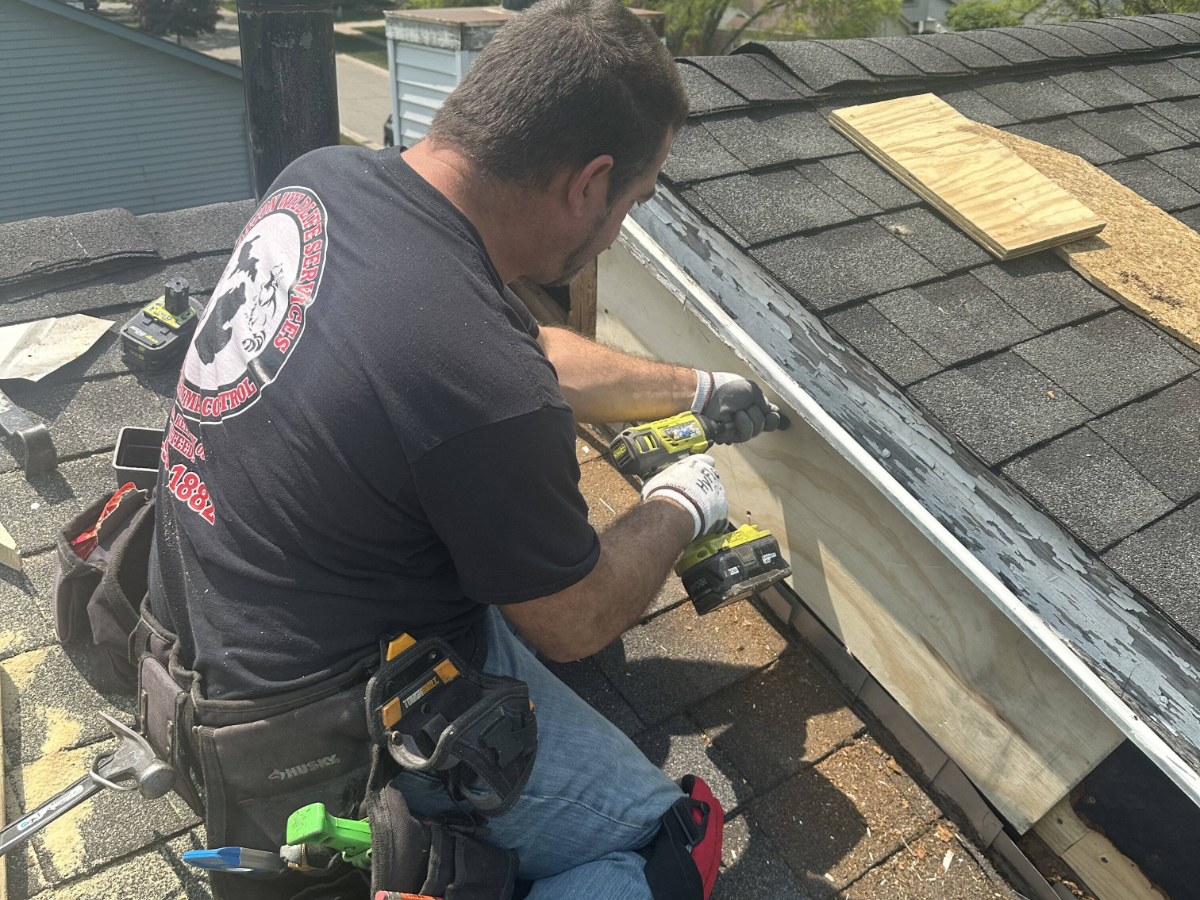
Effective exclusion means sealing and reinforcing vulnerable areas using materials appropriate for the species and structure. It also means completing the work in the correct sequence, after the animal has been removed or excluded safely.
The goal is not just to close a hole. It is to eliminate the pathway.
When a Roofline Gap Should Be Checked
A roofline gap should be inspected if you notice scratching sounds, movement in the attic, droppings, staining, chewed trim, damaged vents, or repeated wildlife activity near the exterior of the home.
Even if the opening looks minor, it may already be in use. Early inspection can help prevent larger damage and reduce the chance of repeat intrusion.
Protect the Structure Before the Problem Grows
Small roofline gaps are easy to overlook, but they can become major wildlife entry points when left unaddressed.
If you see an opening or suspect activity, a professional inspection can determine whether the gap is active, what may be using it, and what is needed to correct it properly.
Addressing the issue early helps protect the home and prevent a small exterior weakness from becoming a larger wildlife problem.
‹ Back

.png) Facebook
Facebook.png) Twitter
Twitter