

Attic Bat Exclusion: Step-by-Step What a Safe Removal Looks Like
Bats in the attic can create serious concerns for homeowners - from noise and odor to contamination and health risks. But what many people don’t realize is that bat removal cannot be handled like other wildlife problems.
Safe bat removal is not about trapping. It’s about properly timed exclusion.
When done correctly, exclusion allows bats to leave safely while preventing them from re-entering - permanently. When done improperly, it can trap bats inside, separate mothers from pups, or lead to repeated infestations.
Here’s what a professional, safe attic bat exclusion actually looks like - step by step.
Step 1: Confirm the Species & Season
The first and most important step is determining:
- What species is present
- Whether it’s maternity season
- How long the colony has likely been active
In Michigan and many northern states, maternity season typically runs from late spring through mid-summer. During this time, flightless pups remain in the attic while mothers forage at night.
Sealing entry points during this period can trap young bats inside - which is both inhumane and illegal in many cases.
Proper exclusion starts with correct timing.
Step 2: Full Exterior Structural Inspection
Bats can enter through openings as small as 3/8 of an inch.
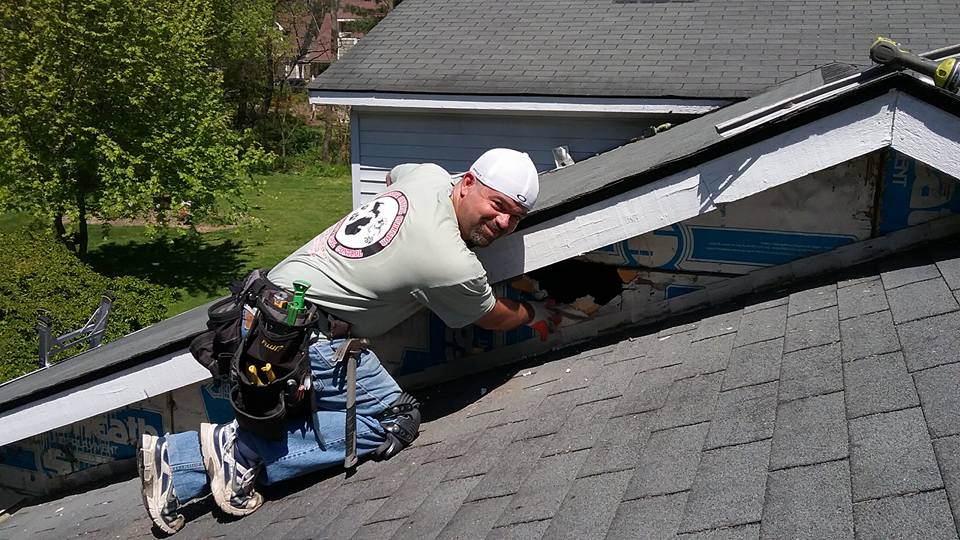
A professional inspection focuses heavily on upper rooflines, including:
- Ridge vents
- Dormer transitions
- Soffit returns
- Gable vents
- Chimney flashing
- Fascia gaps
- Construction seams
It’s common to find one primary entry point and multiple secondary gaps.
If secondary gaps are not identified and sealed, bats will simply relocate within the same structure.
Step 3: Identify the Primary Entry Point
Before any sealing begins, the primary active entry must be confirmed.
This may involve:
- Observing staining or guano below openings
- Noting rub marks along roof edges
- Dusk emergence observation
Exclusion devices must be installed at the main active exit point, not randomly across the roofline.
Step 4: Pre-Seal All Secondary Openings
This is one of the most overlooked steps in improper bat work.
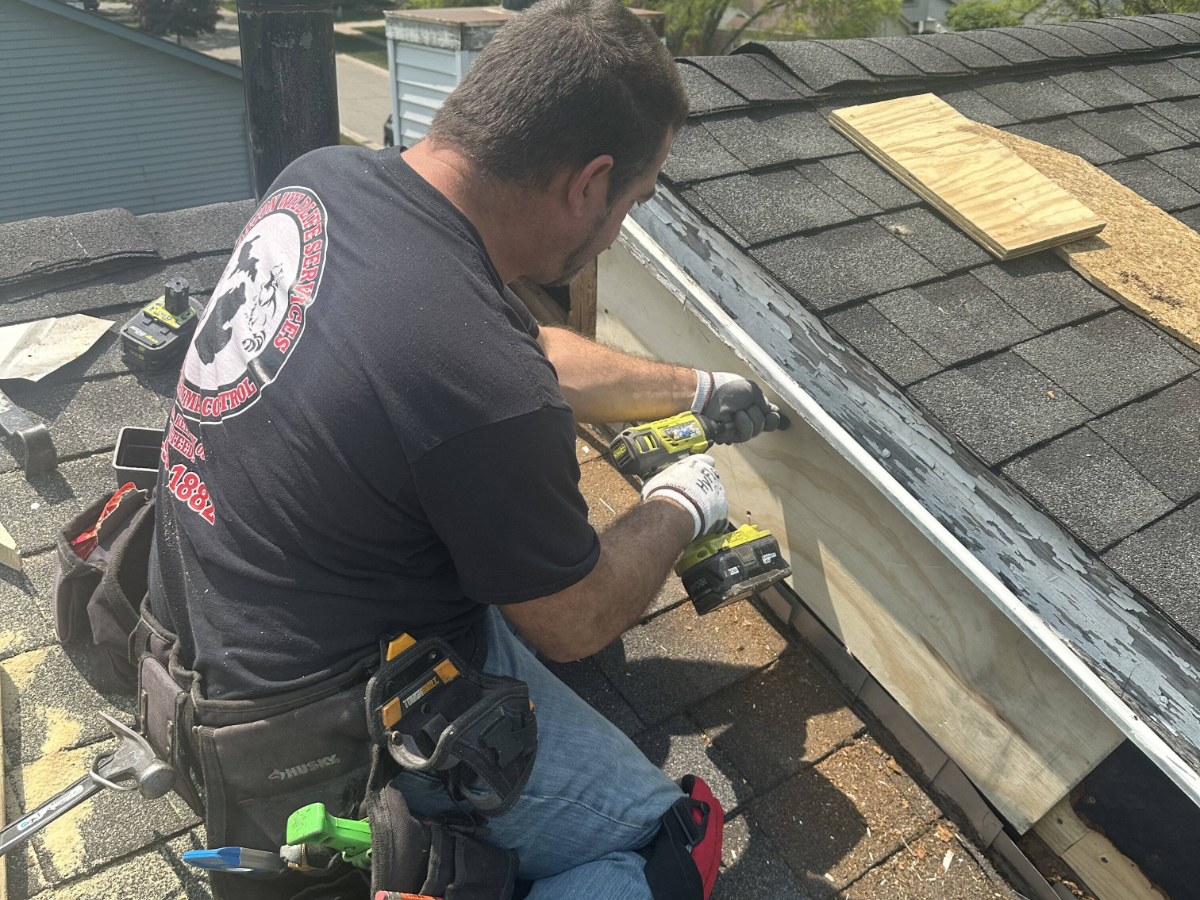
Before installing exclusion devices, all secondary and potential entry points are sealed and reinforced.
This forces the colony to exit only through the designated one-way device.
Without pre-sealing, bats may:
- Relocate inside the structure
- Enter wall voids
- Re-establish in another gap
Precision sealing ensures a controlled exit process.
Step 5: Install One-Way Exclusion Devices
One-way exclusion devices are designed to:
- Allow bats to exit naturally at night
- Prevent them from re-entering
These are installed over the primary exit point and left in place for a specific period, typically several days to a couple of weeks depending on colony size and weather.
The goal is passive removal - allowing the entire colony to leave safely.
No poisons. No trapping. No chaos.
Step 6: Monitor Exit Activity
Professional exclusion includes confirming that:
- Bats have fully vacated
- No new activity is present
- No alternate openings have been created
This step ensures the process is complete before final sealing occurs.
Step 7: Permanent Sealing & Reinforcement
Once the colony has exited, the exclusion device is removed and the primary opening is permanently sealed.
This includes reinforcing:
- Vent covers
- Roofline seams
- Construction gaps
- Flashing and trim areas
The materials used must be durable and resistant to weather and wildlife re-entry.
Permanent exclusion - not temporary patchwork - is what prevents recurrence.
Step 8: Assess Attic Contamination (If Needed)
Depending on how long bats were present, attic spaces may contain:
- Guano accumulation
- Soiled insulation
- Odor issues
In some cases, cleanup and insulation replacement may be recommended.
This step is evaluated after removal is complete - never during active exclusion.
Why Bat Exclusion Must Be Done Correctly
Improper bat removal can lead to:
- Dead bats trapped inside walls
- Separated maternity colonies
- Persistent odor problems
- Repeat infestations
- Structural damage escalation
Safe exclusion is about understanding bat behavior, seasonal timing, and structural vulnerabilities.
It is not a rush job.
What Makes Professional Exclusion Different
For over 22 years, Ancon has focused on structured wildlife removal and exclusion - not shortcuts.
Professional bat exclusion means:
- Fully licensed and insured service
- Compliance with Michigan wildlife regulations
- Methodical structural inspection
- Species-specific removal strategy
- Long-term reinforcement to prevent re-entry
The difference is in the process.
If You Suspect Bats in Your Attic
Common signs include:
- Light scratching or fluttering at dusk
- Guano below roofline gaps
- Staining near soffits or vents
- Strong ammonia-like odors in attic spaces
The earlier exclusion is handled properly, the lower the risk of contamination and structural damage.
If you suspect attic bat activity, a structured inspection is the first step toward resolving the issue safely and permanently.
Schedule a Professional Bat Inspection
If you’re hearing activity in the attic or noticing staining along your roofline, the most important step is confirming what’s happening - and when exclusion can legally and safely be performed.
For over 22 years, Ancon has handled attic bat exclusions using a structured, compliant process designed to protect both the home and the animals.
If you suspect bat activity, schedule a professional inspection. Early evaluation reduces contamination risks and helps ensure removal is done properly the first time.
Call today to book an inspection: 248-930-1882
‹ Back
Recent Posts
-
What Scratching, Chirping, and Thumping Sounds in the Attic May Mean
September 24, 2026
-
-
-
-

.png) Facebook
Facebook.png) Twitter
Twitter