
How Improper DIY Sealing Makes Wildlife Problems Worse
When homeowners discover a wildlife issue, the first instinct is often to seal the opening.
On the surface, it seems logical. Find the gap. Close it. Problem solved.
But in practice, this approach often makes the situation worse.
Wildlife entry isn’t just about the hole you can see - and sealing it without understanding the full picture can lead to bigger problems inside the structure.
The Visible Opening Is Rarely the Only One
Most wildlife doesn’t rely on a single entry point. There is usually one primary access point along with several secondary or potential openings that may not be immediately visible.
Sealing only the obvious gap doesn’t solve the problem. It forces the animal to look for another way out - or another way deeper into the structure. That’s when activity begins to spread.
Animals Don’t Leave Just Because You Seal the Hole
One of the most common misconceptions is that sealing the entry will cause the animal to leave.
It won’t.
If the animal is already inside, sealing the exit can trap it in the attic or walls. Once confined, animals often panic, which leads them to create new openings or push further into areas that are harder to access. In many cases, this results in more damage than the original issue.
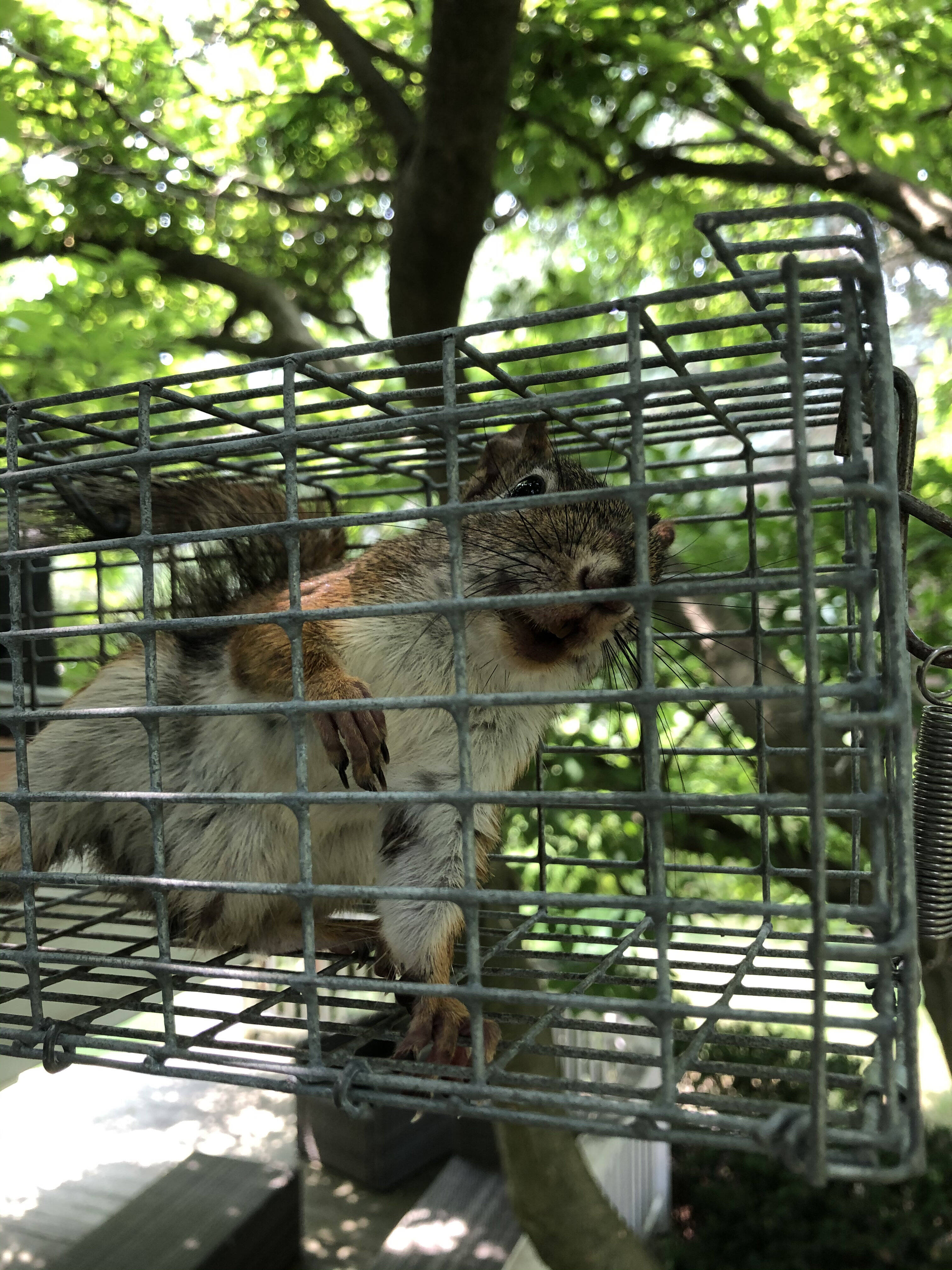
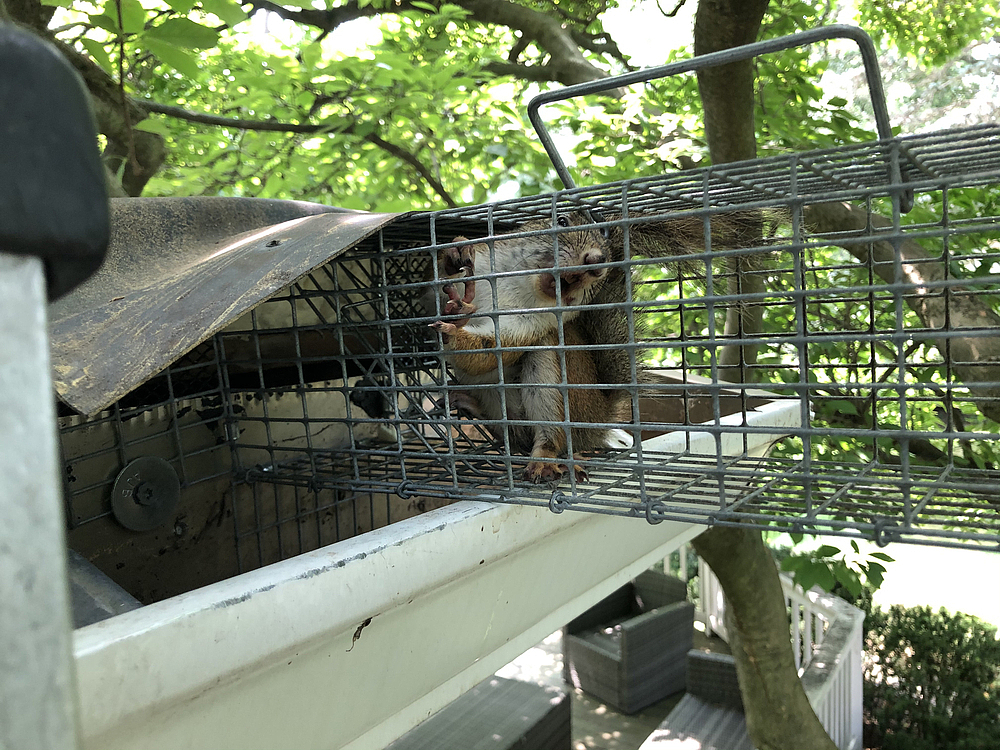
Squirrels Will Simply Re-Open or Expand the Area
Squirrels are especially problematic with DIY sealing.
If you patch an entry point with weak materials, they will:
- Chew through it again
- Expand the opening further
- Move to another vulnerable area nearby
What was once a small gap can quickly become a larger structural issue.
Bat Problems Can Become Much More Complicated
With bats, improper sealing can create serious complications.
Sealing an entry point without a proper exclusion process can trap bats inside the attic and block their exit routes. When this happens, they often relocate into walls or other parts of the structure, making the issue harder to resolve.
During maternity season, this can also separate mothers from pups, creating additional complications along with odor and contamination issues.
Bat removal requires controlled exclusion - not immediate closure.
Sealing at the Wrong Time Makes Things Worse
Timing matters more than most homeowners realize.
Sealing during active periods - especially when animals are nesting or raising young - can result in trapped animals, continued noise and movement, and even decomposition issues within walls or attic spaces.
Without understanding seasonal behavior, even a well-intended fix can escalate the problem significantly.
It Often Creates Hidden Damage
When animals are blocked from their main exit, they don’t disappear - they relocate.
This shift in movement can lead to new damage inside wall cavities, additional entry points in less visible areas, and increased contamination in spaces that were previously unaffected.
The issue becomes harder to locate and more costly to resolve.
Temporary Materials Don’t Hold Up
Many DIY fixes rely on materials that aren’t designed for wildlife exclusion.
Foam, caulking, or basic patching materials may:
- Deter activity briefly
- Fail under pressure or chewing
- Break down with weather exposure
Wildlife will test these areas repeatedly until they find a way back in.
Proper Sealing Is Only Part of the Process
Sealing is important - but it has to be done in the right sequence.
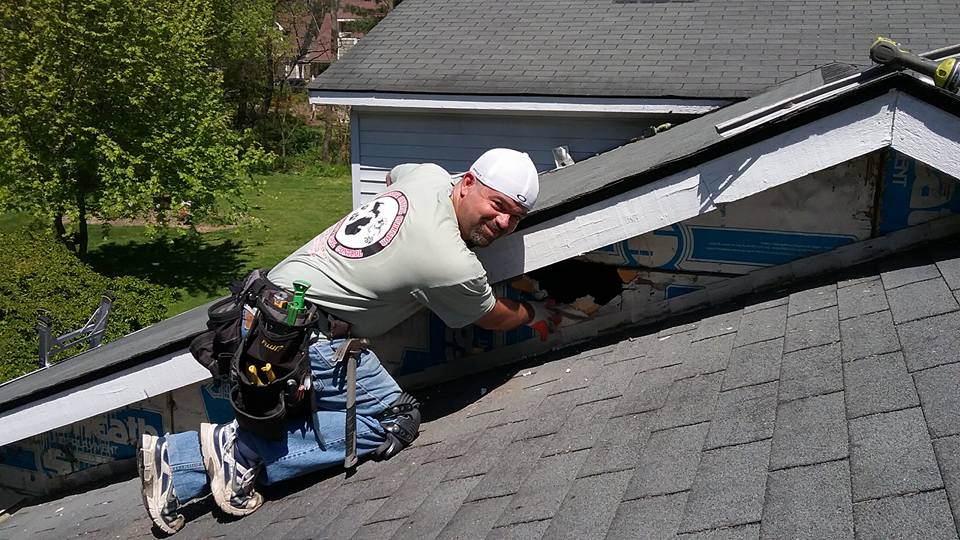
A proper approach involves identifying all entry points, confirming how the animal is using the structure, removing or excluding it safely, and then sealing and reinforcing all vulnerable areas.
Skipping steps almost always leads to repeat problems.
Why Professional Exclusion Is Different
For over 22 years, Ancon has focused on solving wildlife issues at the structural level.
That means:
- Identifying primary and secondary access points
- Using species-specific removal methods
- Timing the work correctly
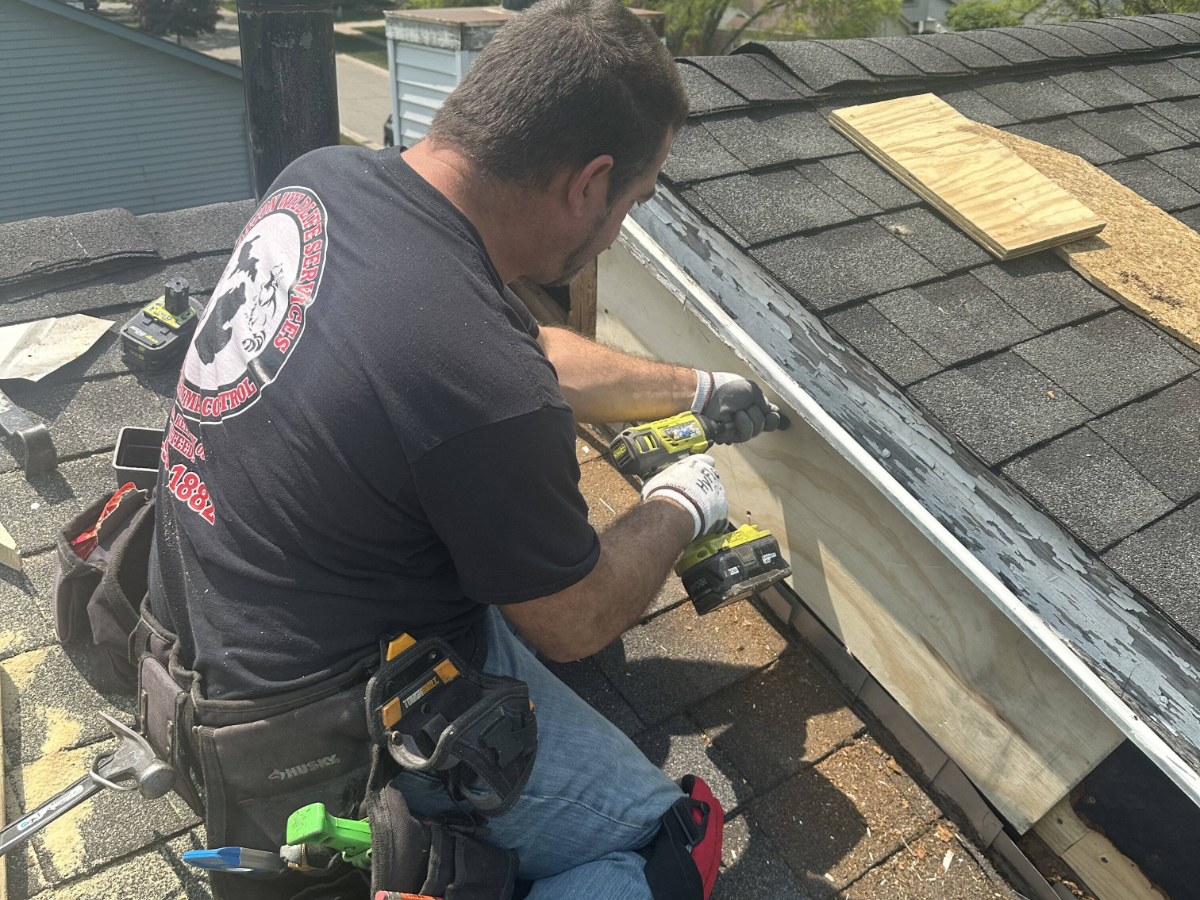
- Reinforcing the structure with durable materials
The goal isn’t just to close a hole - it’s to eliminate the pathway entirely.
When DIY Fixes Turn Into Bigger Problems
What starts as a simple patch can lead to:
- More extensive structural damage
- Increased contamination
- Harder-to-detect activity
- Repeat intrusion
By the time the issue is addressed properly, it often requires more work than it would have initially.
If You’ve Already Sealed an Entry Point
If a gap has already been sealed and activity continues, it’s a sign that the issue hasn’t been fully resolved.
A proper inspection can determine:
- Whether animals are still inside
- Where new or secondary access points exist
- What needs to be corrected to fix the issue completely
From there, the focus shifts to resolving the problem at its source - not just covering it.
‹ Back
Recent Posts
-
What Scratching, Chirping, and Thumping Sounds in the Attic May Mean
September 24, 2026
-
-
-
-


.png) Facebook
Facebook.png) Twitter
Twitter