Hadley
Most wildlife issues don’t start with a major event. It’s usually a small opening, a bit of noise, or activity that goes unnoticed at first.
Once animals get inside, they settle in quickly.
What starts as a minor issue can turn into structural damage, contamination, and repeat activity if it isn’t handled properly. Removing the animal is only part of the solution - understanding how it got in and correcting that is what actually resolves the problem.
That’s where a structured approach matters.
Bat Removal
Entry Happens Quietly. Removal Needs Precision.
Bats don’t force their way in - they take advantage of small construction gaps that are easy to miss. Once inside, they roost in attic spaces and remain largely undetected until activity increases.
Proper bat removal isn’t immediate. It requires:
- Confirming active entry points
- Timing the work correctly based on regulations
- Installing one-way exclusion systems
- Sealing the structure only after the colony has exited
If the process is rushed or handled incorrectly, the problem often becomes more complicated.
Squirrel Removal
If They Want In, They’ll Make an Opening
Squirrels don’t rely on existing gaps - they create them.
They will chew through fascia, vents, and soffits to access attic space. Once inside, they continue expanding entry points, which increases both the damage and the likelihood of future intrusion.
Common issues include:
- Ongoing noise and movement
- Widening entry points
- Insulation disruption
- Repeat access if not properly reinforced
The focus isn’t just removing the squirrel - it’s correcting the access point so it doesn’t happen again.
Other Wildlife Issues We Handle
Not every situation involves bats or squirrels. We also address:
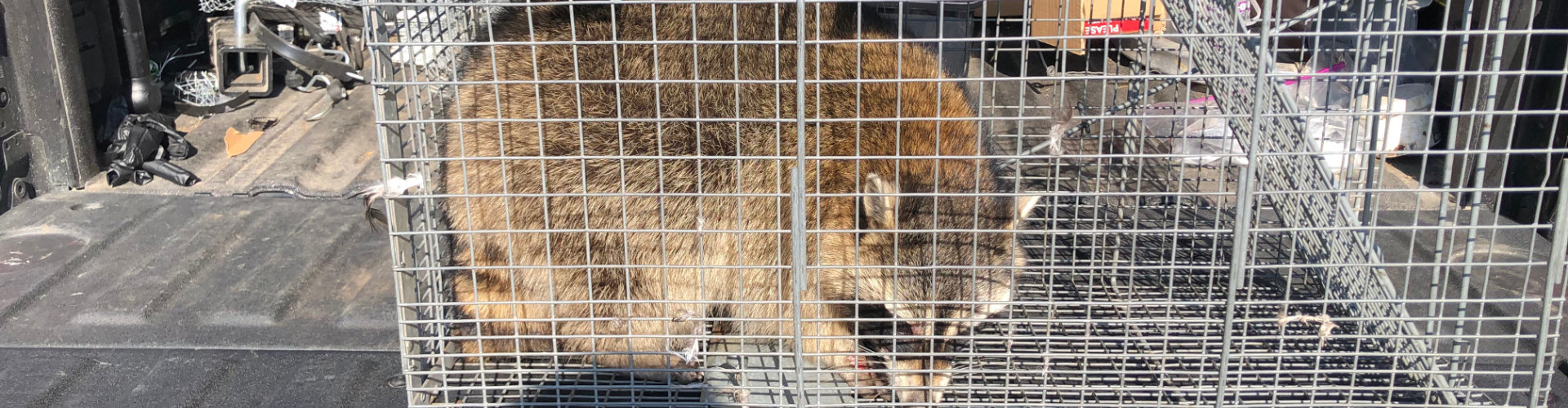
- Raccoons forcing entry into attics or structures
- Skunks establishing dens beneath buildings
- Mice and rodents moving through wall and attic spaces
- Birds entering vents and openings
- Groundhogs affecting structural areas around the home
Each requires a different approach based on how they enter and behave once inside.
The Ancon Advantage
Wildlife problems don’t stop at what you see or hear. Most of the issue is happening behind the structure — at the entry point. Fixing it properly means identifying how animals are getting in and correcting it at the source. Not just removing them. That’s how repeat problems are avoided.

Fully licensed and insured service

22+ years of focused wildlife removal experience

Species-specific removal and exclusion methods

Structural reinforcement designed to prevent repeat entry
Signs Something Is Already Happening
- Sounds in the attic or walls
- New openings or visible damage
- Activity around vents or roof edges
- Insulation being disturbed
- Odors that weren’t there before
These signs usually mean the issue has progressed beyond the early stage.
Start With a Clear Understanding of What’s Going On
You don’t need to know exactly what’s happening - but if something feels off, it’s worth getting it looked at properly.
A structured inspection gives you clarity on:
- What’s inside
- How it got in
- What needs to be done to fix it
From there, you can decide how to move forward - with a solution that actually holds up.
248-930-1882

.png) Facebook
Facebook.png) Twitter
Twitter